At the office of Riverbend Family Dental, we focus on delivering restorative care that lasts and looks natural. Our team combines modern materials with careful planning so that your smile not only functions well but also feels comfortable and confident. We prioritize treatments that preserve healthy tooth structure whenever possible and restore damaged teeth in ways that are predictable and long-lasting.
Even though enamel is the hardest substance in the human body, teeth are still vulnerable to decay, fracture, and wear. When a simple filling won’t restore adequate strength or form, a full-coverage crown is often the appropriate next step. Crowns rebuild a tooth’s shape, protect remaining structure, and restore reliable chewing function.
Advancements in dental ceramics mean metal is no longer required to achieve strength. Modern all-ceramic crowns combine durability with an optical quality that mimics natural tooth enamel, giving patients restorations that blend seamlessly with adjacent teeth. These restorations are designed to be biocompatible and to perform well under the forces of everyday use.
Every treatment plan at Riverbend Family Dental is tailored to the individual. We evaluate each situation with attention to both function and appearance, and we explain options clearly so patients can make informed decisions. Our goal is to restore dental health in a way that supports long-term comfort and confidence.
A crown becomes the best option when the remaining tooth structure cannot reliably support a filling. Large cavities, multiple failed restorations, or significant fracture can leave a tooth vulnerable to further damage. A crown encapsulates the tooth, redistributing biting forces and preventing cracks from propagating.
Crowns are also indicated after procedures that weaken the tooth, such as root canal therapy, or when a tooth will serve as a support for a bridge or an implant restoration. They provide a predictable way to restore both the anatomy of the tooth and its role in your bite. The result is a stable, functional tooth that integrates with the surrounding dentition.
Beyond strength, crowns offer aesthetic improvements for teeth that are misshapen, darkly stained, or poorly proportioned. When cosmetic concerns affect a tooth’s appearance or when a front tooth requires restoration with natural translucency, an all-ceramic crown can achieve a highly lifelike result.
To rebuild a tooth with extensive structural loss from decay or trauma
To replace a large or fractured filling that no longer offers reliable support
To restore a dental implant or to serve as an abutment for a bridge
To protect a tooth after root canal therapy or when a tooth is weakened by wear or habits like grinding
To improve a tooth’s shape, color, or alignment as part of a broader cosmetic plan

All-ceramic crowns are prized for their ability to replicate the way natural teeth interact with light. Their translucency and surface luster can be matched closely to adjacent teeth, offering a seamless aesthetic outcome—especially important for front teeth. This visual fidelity is a primary reason patients choose ceramic options.
Ceramic materials have improved substantially in strength and wear resistance. Contemporary ceramics, such as lithium disilicate and advanced forms of zirconia, provide the durability needed for both front and back teeth without relying on metal frameworks. The result is a restoration that performs well and eliminates the visible metal margins associated with older crown types.
Because they are metal-free, ceramic crowns are a good choice for patients with sensitivities or those who prefer a fully biocompatible restoration. Many ceramic materials are also resistant to staining and interaction with oral tissues, which helps maintain the restoration’s appearance and the health of the surrounding gums over time.
Highly lifelike aesthetic that mimic natural enamel
Reduced need for aggressive tooth reduction with certain ceramic systems
Metal-free composition, eliminating visible margins and reducing allergy concerns
Strong, durable options suitable for many clinical situations
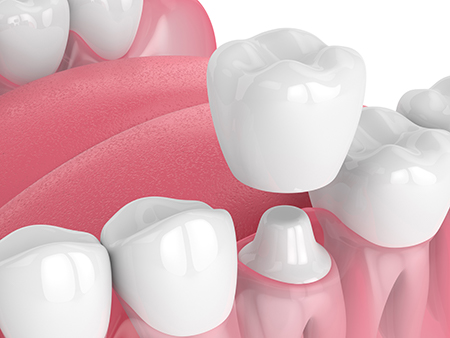
Not all ceramic crowns are the same, and the best choice depends on the tooth’s location, the amount of force it will endure, and the esthetic demands of the case. Some ceramics offer outstanding translucency for front teeth, while others prioritize compressive strength for molars. We consider these factors to balance appearance and longevity.
Common modern options include lithium disilicate, which provides a blend of strength and esthetics; pressable porcelains that can be layered for detailed characterization; and various forms of zirconia, which range from high-strength monolithic types to more translucent formulations for better esthetics. Each material has advantages that suit specific clinical needs.
Selecting the right material also involves assessing how much natural tooth structure remains and whether the restoration will need to resist heavy biting forces or bruxism. We discuss the trade-offs and expected outcomes so you can make an informed decision that aligns with your priorities for durability and appearance.
Lithium Disilicate Porcelain Crowns
Leucite-Reinforced Pressable Porcelain Crowns
Solid or Monolithic Zirconia for high-strength needs
High-Translucent Zirconia for cases with elevated esthetic demands

The crown process typically begins with a comprehensive exam and digital imaging to evaluate the tooth and surrounding structures. We discuss goals and options, then prepare the tooth as conservatively as possible to create a stable foundation. When appropriate, we preserve as much healthy tooth structure as we can while shaping the tooth for an accurate fit.
Impressions or digital scans are taken and sent to a lab or used with in-office milling systems, depending on the chosen approach. A temporary restoration protects the tooth while the final crown is fabricated. Once the crown is ready, we verify fit, color, and bite relationships before permanently cementing the restoration to ensure comfort and function.
Post-treatment care is straightforward: maintain regular oral hygiene, attend routine dental visits, and avoid habits that unduly stress the restoration. With proper care and periodic monitoring, ceramic crowns can function effectively for many years, supporting oral health and preserving the smile’s appearance.
Our practice emphasizes precision, material quality, and individualized care. We combine evidence-based techniques with an eye for natural aesthetics so that each crown fits securely, functions well, and complements the rest of your teeth. That commitment to detail helps achieve predictable, comfortable results.
We take time to explain options and expectations, and to coordinate care when more than one discipline is involved—such as restorative treatment following endodontic therapy or when integrating a crown with implant work. Our approach is collaborative, making sure every step supports your long-term dental health.
When you are considering a ceramic crown, we encourage you to discuss your priorities and any concerns during your consultation. Understanding your goals helps us recommend the most appropriate material and treatment sequence for an outcome that meets both functional and cosmetic expectations.
In summary, modern ceramic crowns provide a reliable, natural-looking way to restore teeth that are weakened, damaged, or cosmetically compromised. If you’d like to learn more about crown options and how they may apply to your situation, contact us for more information.


Ceramic crowns are full-coverage dental restorations made from advanced, metal-free materials designed to replace the visible portion of a damaged or weakened tooth. They restore the tooth's shape, strength and function while offering optical properties that closely mimic natural enamel. Because they are fabricated from ceramic materials, these crowns can reproduce translucency and surface texture for a lifelike appearance.
Modern ceramic systems are engineered for both esthetics and durability, making them suitable for many clinical situations from front teeth to posterior restorations. Ceramics are biocompatible and resist staining, which helps preserve appearance over time. Your dentist will recommend a crown when a filling is no longer adequate to protect or rebuild the tooth.
Unlike porcelain-fused-to-metal crowns, all-ceramic crowns contain no metal substructure, which eliminates visible dark margins and improves translucency for a more natural look. Metal-based restorations can be very strong, but they may compromise esthetics, especially near the gumline or on front teeth. Ceramic materials such as lithium disilicate and high-translucent zirconia are formulated to combine strength with lifelike optical properties.
All-ceramic crowns may also offer advantages for patients with metal sensitivities and those seeking a wholly metal-free option. Material choice involves balancing esthetic goals with functional demands; some ceramics prioritize translucency while others emphasize fracture resistance. Your clinician will explain the trade-offs and select the material that best fits the tooth's location and your expectations.
A crown is recommended when the remaining tooth structure cannot reliably support a filling due to extensive decay, a large or failed restoration, or significant fracture. Crowns encapsulate and protect the tooth, redistributing biting forces to prevent further damage and help preserve what remains of the natural structure. They are also commonly placed after root canal therapy, when a tooth has been weakened, or when a tooth will serve as an abutment for a bridge or implant restoration.
Beyond structural support, crowns can address cosmetic concerns such as severe staining, misshapen teeth, or proportion issues that affect smile harmony. Your dentist will evaluate the tooth, surrounding gum tissue and bite relationships to determine whether a crown is the most predictable long-term solution. Treatment planning emphasizes conservative preparation whenever possible to preserve healthy tooth structure.
Common modern ceramic options include lithium disilicate, pressable porcelains, and various formulations of zirconia, each with distinct strengths and esthetic qualities. Lithium disilicate is valued for a balance of strength and translucency, making it popular for many anterior and posterior crowns. Pressable porcelains allow detailed layering and characterization for exceptional esthetics, while zirconia offers a range from very high-strength monolithic types to more translucent versions for improved appearance.
The ideal material depends on the tooth's location, occlusal forces and cosmetic demands; for example, highly translucent ceramics may be preferred for front teeth while stronger zirconia types may be chosen for molars under heavy load. The clinician assesses how much natural tooth remains, the patient's bite, and any parafunctional habits before recommending a material. Informed discussion about expected outcomes helps patients choose between competing priorities of durability and lifelike appearance.
The process typically begins with a comprehensive exam and digital imaging to evaluate the tooth, surrounding tissues and bite relationships. Tooth preparation is performed conservatively when possible to create a stable foundation, followed by impressions or digital scans used to design the restoration. A temporary crown is placed while the final restoration is fabricated by a dental laboratory or milled in-office, depending on the workflow chosen.
At the placement appointment the dentist verifies fit, color and occlusion before permanently bonding or cementing the crown, making adjustments as needed for comfort and function. Post-procedure care instructions will be provided to protect the restoration during the initial settling period. Routine follow-up and regular dental visits allow monitoring of crown integrity and the health of surrounding gums and teeth.
Caring for a ceramic crown is similar to caring for a natural tooth and includes regular brushing with a fluoride toothpaste and daily interdental cleaning. Flossing gently around the crown helps prevent decay at the margins and protects adjacent gum tissue, while routine professional cleanings and exams allow early detection of any issues. Avoiding hard, brittle foods and using sensible chewing habits reduces undue stress on the restoration.
If you have a history of grinding or clenching, talk with your clinician about protective options such as a night guard to reduce wear and risk of fracture. Maintaining overall oral health through routine visits and timely treatment of any new dental concerns supports the longevity of crowns. Our team at Riverbend Family Dental will also review specific precautions and cleaning tips tailored to your restoration.
Ceramic crowns can function effectively for many years when properly designed, fabricated and maintained, but longevity varies based on multiple factors. Material selection, the amount of remaining tooth structure, the quality of the bond, and how the restoration is cared for all influence lifespan. Functional habits like bruxism, the presence of a stable opposing bite, and the patient’s oral hygiene play significant roles in long-term success.
Regular dental checkups allow clinicians to monitor crown margins, detect recurrent decay, and assess occlusion so potential problems are addressed early. Timely repair or replacement when issues arise helps preserve surrounding tooth structure and avoids more extensive treatment later. Good communication with your dental team about changes in fit, sensitivity or appearance helps protect your investment in the restoration.
Patients who grind or clench their teeth present a higher risk for restoration wear or fracture, so material selection and protective strategies must be carefully considered. Certain high-strength ceramics, such as monolithic zirconia, are better suited to resist heavy occlusal forces, but no material is entirely immune to damage from severe parafunctional activity. Your dentist will evaluate the severity of grinding, the distribution of forces and possible underlying contributors before recommending a restorative plan.
In many cases a combined approach is best: select a durable material for the crown and provide an occlusal appliance such as a custom night guard to reduce stress during sleep. Managing contributing factors like misaligned bites or muscle tension can also decrease the burden on restorations. Regular monitoring allows the team to detect early wear and intervene before a crown fails.
Yes, ceramic crowns are commonly used as crown restorations on individual dental implants and can also serve as pontics or abutments in fixed bridgework, depending on the case. When used on implants the crown shape and occlusal scheme are designed to minimize undue forces on the implant while achieving an esthetic emergence profile. Material choice and how the crown is retained—cemented or screw-retained—are determined by implant position, access and prosthetic requirements.
For bridge work, ceramic restorations can provide excellent esthetics and function when properly planned and supported by healthy abutment teeth or implants. The prosthetic design must account for load distribution and hygiene access to ensure long-term success. Collaborative planning between restorative and implant teams helps integrate the crown with adjacent restorations and surrounding tissues for predictable outcomes.
Look for a practice that emphasizes individualized treatment planning, material knowledge and clear communication about expected outcomes and maintenance. Experience with multiple ceramic systems, digital imaging and collaboration with skilled dental laboratories or in-office milling supports more predictable esthetic and functional results. A trustworthy practice will evaluate both cosmetic goals and biomechanical needs rather than offering a one-size-fits-all solution.
At Riverbend Family Dental our team combines conservative, evidence-based techniques with attention to natural aesthetics and patient comfort, and we take time to explain material options and treatment sequencing. Scheduling a consultation allows you to review clinical findings, ask questions about recommended materials and understand the steps involved in restoring your tooth. An informed decision-making process helps ensure the final restoration meets your priorities for durability and appearance.

Ready to transform your dental experience?
At Riverbend Family Dental, our team makes achieving optimal oral health easy and stress-free. From routine check-ups to treatments like Invisalign, we provide clear communication and patient-focused care every step of the way.
Getting started is simple—call, email, or use our online portal to schedule a visit and have your questions answered by our experts. Don’t wait—contact Riverbend Family Dental today and experience compassionate, precise care for your smile.