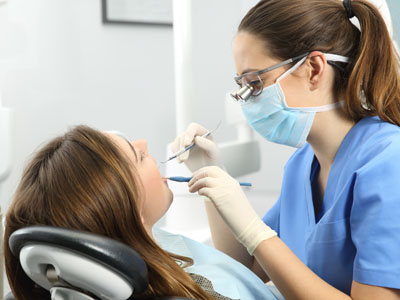
Good home care is the foundation of a healthy smile, but even the most conscientious brushing and flossing routines can miss tight spaces and stubborn buildup. Professional dental cleanings remove plaque and hardened tartar in ways that at-home care cannot, catching early signs of trouble and keeping gum tissue healthy. Regular cleanings are one of the simplest, most effective preventive tools patients can use to preserve teeth and overall oral comfort.
Dental cleanings remove plaque and tartar that harbor bacteria responsible for cavities and gum inflammation. When biofilm accumulates along the gumline and between teeth, those bacteria can irritate soft tissue and erode enamel over time. Professional removal reduces bacterial load and creates an environment where gums can heal and remain firm around the teeth.
Beyond direct removal of deposits, cleanings allow your dental team to monitor changes in oral health. During a routine visit, a hygienist or dentist can spot early signs of gingivitis, enamel wear, or areas where hygiene is consistently falling short. Detecting these trends early makes it possible to address them before they progress to more complex problems.
Preventive cleanings also support restorative dentistry by helping to preserve the fit and longevity of fillings, crowns, and other dental work. When plaque and tartar are kept under control, the tissues surrounding restorations are less likely to develop inflammation that can compromise bonding or lead to secondary decay.
A typical professional cleaning begins with a careful assessment of your oral tissues and any areas of concern. Your hygienist will check the gums for pockets, inflammation, and recession and will examine teeth for signs of decay or unusual wear. This brief exam guides the rest of the visit and ensures care is tailored to your needs.
Next, deposits are removed using a combination of instruments. Hand scalers can precisely scrape stubborn tartar from tooth surfaces, while ultrasonic scalers use gentle vibrations and a water spray to dislodge buildup quickly and comfortably. Many clinicians blend these techniques to maximize efficiency and patient comfort.
After scaling, the hygienist polishes the teeth to smooth enamel surfaces and lift superficial stains. Polishing is followed by flossing and, when appropriate, a topical fluoride treatment to help strengthen enamel. Throughout the visit, the hygienist will communicate findings and offer practical tips to improve at-home care based on observed problem areas.
Not all cleanings are identical — the approach depends on the patient’s periodontal health, sensitivity, and history. Patients with healthy gums typically receive routine scaling and polishing at regular intervals. Those with gingivitis may need more frequent monitoring and focused instruction on home care techniques to reverse inflammation.
For patients with a history of periodontal disease, a deeper, more targeted approach may be necessary. This can include scaling below the gumline and staged appointments that address particularly affected areas. The goal is to reduce pocket depth, control infection, and stabilize the tissues so that long-term maintenance is possible.
Sensitivity is another common consideration. When cleanings cause discomfort, clinicians can adjust their technique, use gentler instruments, or apply topical desensitizing agents. The practice emphasizes communication so patients feel comfortable voicing concerns and receive care that respects their comfort and medical history.
Oral health is closely linked to general health. Chronic inflammation in the mouth can influence systemic conditions, and maintaining healthy gums helps reduce sources of chronic infection and inflammation. Regular professional cleanings are one way to lower the persistent bacterial burden that can contribute to broader health challenges.
Cleanings also provide opportunities for early detection of issues that have implications beyond the teeth, such as oral lesions or signs of systemic disease that manifest in the mouth. When these early warning signs are present, timely communication with the patient and coordination with other healthcare providers helps ensure appropriate follow-up.
Additionally, a clean mouth tends to be a more comfortable mouth: patients often report fewer episodes of bad breath, less bleeding during brushing, and improved confidence when speaking or smiling. Those practical benefits have a positive influence on nutrition, social interaction, and overall well-being.
There’s no special preparation required for most dental cleanings, but arriving with questions and a list of any recent changes in your oral health helps your clinician provide personalized care. If you have medical conditions or medications that affect bleeding or healing, mention them so the team can tailor the visit safely and effectively.
Between visits, focus on techniques that address the areas your hygienist highlights. This may mean adjusting the angle of your brush, incorporating interdental cleaners like floss or picks, or using a soft-bristled brush if you have gum sensitivity. Small daily improvements compound quickly and make each professional cleaning more effective.
Finally, establish a schedule that reflects your oral health needs. While twice-yearly visits work for many patients, some individuals benefit from more frequent cleanings to manage periodontal concerns or heightened caries risk. Work with your care team to create a plan that balances convenience, prevention, and long-term oral health.
At Riverbend Family Dental, our goal is to make professional cleanings a comfortable, informative part of your preventive care. If you’d like to learn more about how cleanings fit into your personal oral-health plan, please contact us for more information.


A professional dental cleaning is a preventive visit in which a licensed hygienist or dentist removes plaque, tartar and surface stains that cannot be eliminated by home care alone. The visit typically combines a clinical exam, scaling to remove deposits, polishing to smooth enamel and flossing to clean interdental spaces. Many offices also offer topical fluoride when appropriate to help strengthen enamel after cleaning.
The tools used vary by need and comfort, from ultrasonic scalers that gently dislodge buildup with vibrations and water to hand instruments for precise removal in tight areas. Cleanings also provide an opportunity for the clinician to screen for early signs of decay, gum inflammation or other oral changes and to recommend targeted home-care adjustments. At Riverbend Family Dental we emphasize gentle technique and patient education so every cleaning is both thorough and comfortable.
For many adults and children, scheduling a cleaning every six months is a reliable baseline that supports cavity prevention and gum health. That schedule allows regular removal of biofilm and monitoring of oral tissues so small issues can be caught before they become larger problems. Your clinician will recommend a frequency personalized to your risk factors, such as history of periodontal disease, dry mouth or a tendency to form heavy deposits.
Patients managing periodontal disease, heightened decay risk or certain medical conditions often benefit from more frequent visits, sometimes every three to four months, to maintain stability and control bacterial load. Conversely, some low-risk patients with excellent home care may remain healthy with twice-yearly visits if clinical findings support that plan. Work with your dental team to create a recall schedule that balances prevention and convenience.
A routine cleaning begins with a brief assessment of your gums, teeth and any restorations to identify areas of concern or new changes since your last visit. The hygienist will then remove plaque and tartar using ultrasonic and/or hand instruments, followed by polishing to smooth enamel and reduce surface staining. The appointment usually ends with flossing, a final check and recommendations tailored to the areas that need attention.
Throughout the visit your hygienist will communicate findings and demonstrate home-care techniques when needed, such as flossing methods or brushing angles to reach problem spots. If deeper treatment is indicated, such as scaling below the gumline, the team will explain the next steps and coordinate care with your dentist. The goal is a thorough, comfortable visit that improves oral health and leaves you with clear guidance.
Most patients experience little to no pain during a typical cleaning, though sensitivity can occur, especially when tartar is removed near inflamed gum tissue or exposed root surfaces. Hygienists are trained to adjust technique, use gentle instruments and offer topical desensitizing agents to minimize discomfort. Open communication about sensitivity allows the clinician to slow down, alter tools or take breaks so the visit remains tolerable.
In cases where deep cleaning below the gumline is necessary, a local anesthetic or staged appointments can be used to keep the procedure comfortable and effective. Patients with dental anxiety should share their concerns so the team can provide calming measures, explain each step and tailor the experience. Comfort is a priority, and small adjustments often make a big difference in patient experience.
Professional cleanings remove plaque and hardened tartar that harbor bacteria responsible for gum inflammation and dental decay, reducing the microbial load along the gumline and between teeth. By disrupting biofilm and eliminating irritants, cleanings create an environment where gums can heal and reattach to tooth surfaces when appropriate. Early detection of gingivitis during routine visits allows clinicians to intervene with targeted home-care instruction to reverse inflammation before it progresses.
Regular professional monitoring also helps identify patterns such as recurring plaque accumulation in specific areas or enamel breakdown that increases decay risk. Addressing those patterns through preventive care, topical treatments and behavior changes reduces the chance that small problems will evolve into the need for restorative treatment. In this way, routine cleanings support both soft-tissue health and long-term preservation of tooth structure.
When performed correctly, professional cleanings preserve and protect dental restorations rather than damage them, because routine removal of plaque helps prevent inflammation and secondary decay around restorations. Hygienists are trained to use appropriate instruments and techniques for different materials; for example, plastic or titanium-friendly instruments may be selected for implants to avoid scratching. The clinician documents the condition of crowns, bridges and implants at each visit to detect any marginal changes early.
If a restoration appears loose, irritated or compromised, the team will halt aggressive cleaning in that area and review the situation with your dentist to determine the safest next steps. Special maintenance protocols may be recommended for complex restorations or implant-supported prostheses to ensure longevity. Open communication about any symptoms or changes you notice helps the team protect your dental work during cleanings.
Yes; children benefit from professional cleanings starting when the first teeth appear or by the first birthday to establish preventive habits and monitor oral development. Early visits help clinicians instruct parents on proper brushing for young children, assess eruption patterns and identify early signs of decay or bite concerns. Regular cleanings for kids also provide fluoride when appropriate and create a positive foundation for lifelong oral care.
As children grow, scheduling cleanings every six months generally supports cavity prevention and gum health, but the frequency may be adjusted based on risk factors like frequent snacking, enamel defects or orthodontic appliances. Hygienists will demonstrate age-appropriate techniques and recommend tools such as flossers or sonic toothbrushes to suit a child’s dexterity. Early, gentle exposure to dental care helps reduce fear and builds healthy routines.
No special preparation is required for most dental cleanings, but arriving with an updated medical history and a list of current medications helps the team tailor care safely. Mention recent changes in health, bleeding tendencies or any new symptoms in the mouth so the hygienist and dentist can adjust the visit if needed. Bringing questions or notes about areas of concern ensures you get clear guidance during the appointment.
If you have known sensitivity or anxiety, tell the team ahead of time to discuss comfort measures such as topical desensitizers, breaks during treatment or a staged plan for deeper cleaning. For patients with complex medical histories, it can be helpful to coordinate care with your physician and disclose any implants or prosthetics in advance. Clear communication before the visit leads to a smoother, more personalized experience.
Patients with periodontal disease often require targeted care that goes beyond a routine cleaning, including scaling below the gumline to remove bacterial buildup from pocketed areas and staged appointments to treat affected sites thoroughly. The goal is to reduce pocket depth, control infection and stabilize the tissues so that long-term maintenance is possible. Clinicians may couple in-office therapy with detailed home-care instructions and more frequent maintenance visits.
Following initial periodontal therapy, a maintenance schedule is typically established to monitor tissue response and prevent recurrence; this may include periodontal charting, focused hygiene sessions and reinforcements of brushing and interdental cleaning techniques. In some cases, adjunctive therapies such as local antimicrobials or referrals to a periodontist are recommended when conservative measures are insufficient. Consistent follow-up and adherence to the prescribed plan are key to maintaining periodontal stability.
Maintaining results starts with effective daily home care: brush twice a day with a fluoride toothpaste, clean between teeth once a day with floss or an interdental cleaner and address any trouble spots your hygienist highlighted. Consider an electric toothbrush if you struggle with manual technique, and use antimicrobial mouth rinses when recommended to reduce bacterial load. Small, consistent changes in technique often lead to measurable improvements at the next professional visit.
Lifestyle factors such as limiting sugary snacks, avoiding tobacco and staying hydrated also support oral health by reducing acid attacks and bacterial growth. Keep your scheduled recall appointments and report any bleeding, swelling or persistent sensitivity promptly so the team can intervene early. Together with professional care, thoughtful at-home habits help preserve healthy gums and teeth for the long term.

Ready to transform your dental experience?
At Riverbend Family Dental, our team makes achieving optimal oral health easy and stress-free. From routine check-ups to treatments like Invisalign, we provide clear communication and patient-focused care every step of the way.
Getting started is simple—call, email, or use our online portal to schedule a visit and have your questions answered by our experts. Don’t wait—contact Riverbend Family Dental today and experience compassionate, precise care for your smile.