When decay or damage removes healthy tooth structure, a filling does more than fill a hole — it restores strength, stops the spread of decay, and helps preserve the tooth's natural shape and function. Modern restorative dentistry aims to rebuild teeth in a way that blends with the bite and the rest of the smile, so patients regain comfort as well as confidence.
Fillings are among the most common dental procedures because cavities remain widespread across all age groups. Treating decay early preserves more tooth structure and reduces the likelihood of needing larger restorations later on. A well-placed filling can protect the inner layers of the tooth and keep chewing and speaking comfortable for years.
Our team focuses on conservative, evidence-based care that prioritizes tooth preservation. At the office of Riverbend Family Dental, we explain the goals of treatment clearly: remove decay, support the remaining tooth, and restore natural form — all while keeping your comfort and long-term oral health at the center of care.
People have sought ways to treat dental problems for millennia, and archaeological discoveries show early attempts to repair teeth long before contemporary dentistry existed. Materials and techniques have evolved dramatically — from primitive plugs and metals to today's bonded tooth-colored restorations — but the fundamental aim remains the same: protect and restore the tooth.
Today’s materials and adhesive techniques allow dentists to preserve more of the natural tooth and create restorations that respond better to chewing forces and temperature changes. This scientific progress gives patients options that are both durable and discreet.
Choosing the right filling involves balancing a few priorities: how much tooth structure remains, where the tooth is located in the mouth, the forces it must withstand, and the visual outcome the patient wants. We discuss these factors and recommend materials that will deliver reliable function without sacrificing the cosmetic result.
Our practice emphasizes minimally invasive techniques, careful tooth preparation, and meticulous finishing. These steps help the restoration bond properly, wear predictably, and blend with adjacent teeth so your smile looks and feels natural.

Not every filling material is the right choice for every tooth. Over the past several decades, advances in dental materials have expanded the available options so clinicians can match the properties of the restoration to the needs of the tooth and the patient’s priorities.
Below are the common restorative choices you may encounter, with a brief look at what each one offers in terms of durability, appearance, and typical uses. We’ll explain their pros and cons so you can make an informed decision in partnership with your dentist.
Composite fillings are made from a resin matrix and fine glass or ceramic fillers, and they are available in a range of shades to match natural enamel. Because composites bond directly to the tooth, they often require less removal of healthy structure and can strengthen weakened areas through adhesive techniques.
Composites are versatile — they can restore small to moderate cavities and are commonly used on front and back teeth where a natural appearance matters. They are susceptible to wear and surface staining over long periods, so regular checkups help determine when maintenance or replacement is needed.
Amalgam has been used for decades because of its resilience and longevity in high‑stress chewing areas. Though silver in color, amalgam remains a durable choice for posterior teeth where cosmetic concerns are secondary to strength.
Glass ionomer materials bond chemically to tooth structure and release fluoride over time, which can provide an added layer of protection for vulnerable teeth. They are often used where moisture control is difficult or for small restorations in children.
Ceramic inlays, onlays, and larger restorations are fabricated outside the mouth and then bonded into place. These indirect restorations offer excellent color stability and wear resistance, making them a strong aesthetic solution for teeth that need more than a simple direct filling.
Gold continues to be valued for its strength, longevity, and biocompatibility. While less common today due to cost and aesthetic preferences, gold remains an excellent restorative material for certain clinical situations where durability is paramount.
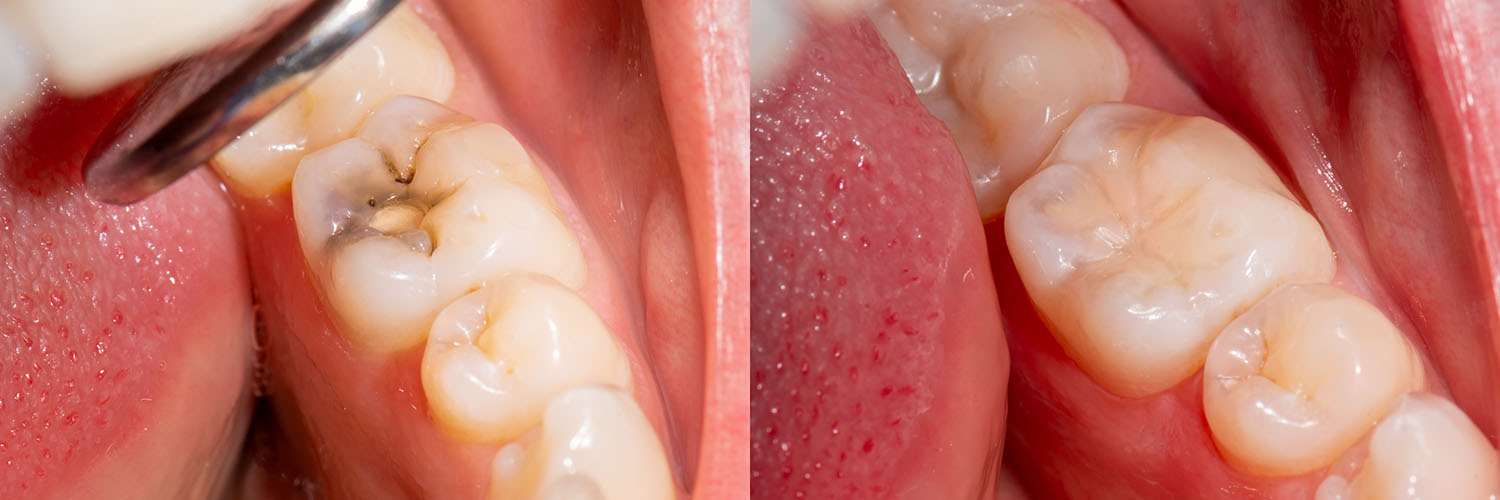
Treatment begins with a careful assessment — visual examination, diagnostic images if needed, and a discussion about symptoms and expectations. Once a decision is made to treat a cavity, we plan the restoration in a way that preserves as much healthy tooth as possible.
On the day of the procedure, local anesthesia is commonly used so the tooth and surrounding tissues are comfortably numb. With modern anesthetic techniques most patients report minimal discomfort during the actual procedure. Depending on the situation, a dental drill, air abrasion, or laser may be used to remove decayed material safely and efficiently.
After decay is removed and the tooth is prepared, the filling is placed according to the material selected. Direct materials like composite or glass ionomer are placed and shaped in the mouth, while indirect restorations such as ceramic inlays may require a second appointment for final cementation. We take time to check the bite and polish the restoration so it feels natural.
For patients who prefer additional relaxation, we can discuss options such as dental sedation. Your comfort is a priority, and we tailor the approach to your individual needs.
After a filling is placed, it’s normal to notice changes in how the tooth feels. Minor sensitivity, temporary odd sensations when biting, or a different response to hot or cold are common and typically resolve on their own as the tooth adjusts.
Immediately after treatment:
Protect the numb area
Because anesthetic can leave your lips, tongue, and cheek numb for an hour or more, take care not to bite or burn these tissues. Avoid hot beverages and chewy foods until sensation returns.
Expect minor adjustments
Even with careful finishing, a newly restored tooth may feel slightly different. If the bite feels high or uncomfortable after the numbness fades, contact the office so we can make small adjustments.
Sensitivity can occur
Some patients notice brief sensitivity to temperature or pressure. This usually diminishes over days to weeks. If sensitivity increases or you experience persistent pain, reach out so we can evaluate the repair.
Caring for your restoration
Good oral hygiene and routine dental visits are the best ways to protect a filling. Brush twice daily, floss carefully around the restoration, and maintain regular checkups so we can monitor wear or changes over time.
If anything unexpected occurs — such as ongoing pain, a rough edge, or material that feels loose — contact us so we can assess and make necessary adjustments. Our team focuses on follow-up care to ensure restorations continue to perform well.
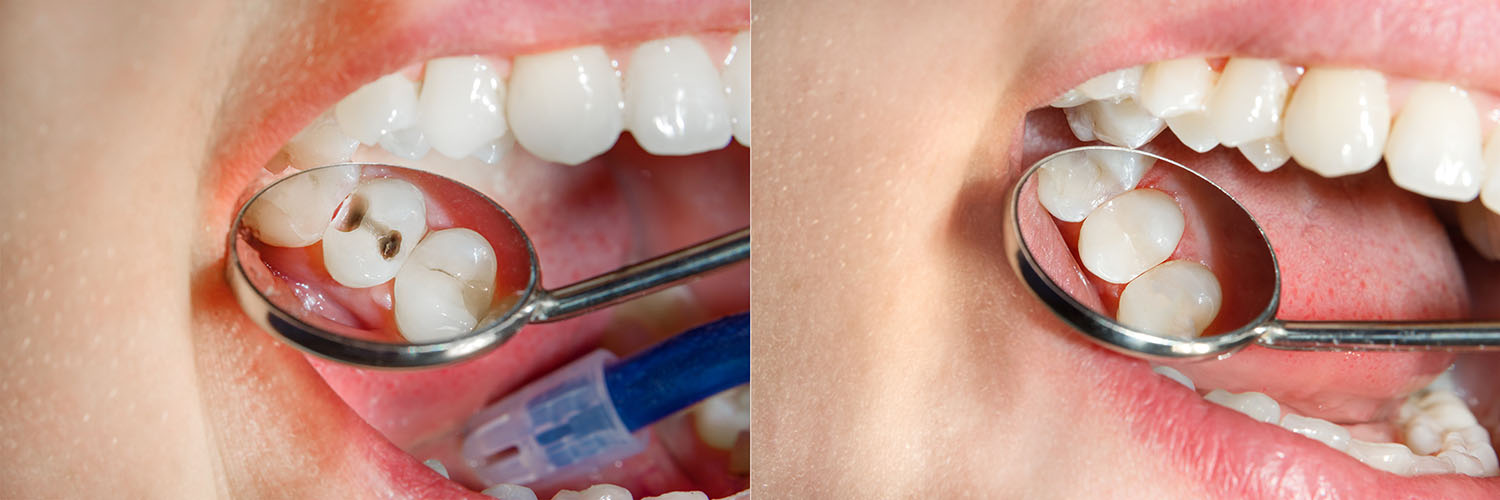
With proper care, many fillings last for years, but longevity depends on several factors: the material used, the size and location of the restoration, chewing habits, and oral hygiene. Regular dental visits allow us to catch early signs of wear or secondary decay before larger treatment is required.
Avoiding hard or sticky foods when possible, addressing nighttime teeth grinding with an occlusal guard if needed, and maintaining consistent brushing and flossing habits all help preserve restorations. If you have habits that place extra stress on teeth, we’ll provide practical strategies to protect your repairs.
When a restoration does show signs of wear, replacement or an indirect restoration may be recommended. Our goal is to use the least invasive option that provides lasting function and comfort while preserving tooth structure for the future.
In summary, modern dental fillings protect teeth, restore function, and can be designed to blend seamlessly with your smile. If you have questions about options or would like to schedule an assessment, please contact Riverbend Family Dental for more information.


A dental filling is a restorative material used to repair a tooth that has been weakened by decay or trauma. Fillings restore the shape and function of the tooth so you can chew and speak comfortably. They also protect inner tooth layers from further decay and reduce the risk of more extensive treatment later.
Treating cavities early preserves healthy tooth structure and makes it easier to maintain long-term oral health. At Riverbend Family Dental we focus on evidence-based, minimally invasive restorations that blend function with a natural appearance. Your dentist will explain the treatment goals and help you understand the material choices best suited to your situation.
Several filling materials are available, each with different strengths, aesthetics, and clinical uses. Direct composite resins are tooth-colored and bond to enamel and dentin, making them a popular choice for visible areas. Glass ionomers chemically bond to tooth structure and release fluoride, which can benefit high-risk teeth and young patients.
Amalgam remains durable for large posterior restorations, while gold and ceramic restorations offer exceptional longevity and wear resistance. Porcelain and ceramic inlays or onlays are fabricated outside the mouth and provide superior color stability and strength for larger defects. Your dentist will weigh functional demands, the size of the defect, and cosmetic priorities when explaining these options.
Choosing the right material depends on several clinical and personal factors rather than a single universal solution. Dentists consider the size and location of the cavity, how much natural tooth remains, and the forces the tooth must endure during chewing. Moisture control during placement and the patient’s aesthetic preferences also influence the recommendation.
A thorough exam, including diagnostic images when needed, helps the dentist plan a restoration that balances longevity and conservation of tooth structure. We encourage patients to ask about trade-offs such as appearance versus strength so the chosen approach fits their daily needs. When appropriate, conservative options that strengthen the remaining tooth with adhesive techniques are prioritized.
A filling appointment typically begins with an exam and targeted x-rays if the dentist needs more information about the defect. Local anesthesia is used to numb the tooth and surrounding tissues so most patients feel little or no discomfort during treatment. The dentist then removes decay or damaged enamel and prepares the cavity for placement of the selected material.
Direct materials like composite are placed and shaped in layers, then cured with a light, while indirect restorations may require a lab-fabricated piece and a second visit. Careful finishing and bite adjustment are completed so the restored tooth feels natural and functions properly. If you prefer extra relaxation, discuss available sedation and comfort measures with your dental team before the appointment.
It is common to notice temporary changes in tooth sensation after a filling as the tooth recovers from treatment and local anesthesia wears off. Minor sensitivity to hot, cold, or pressure can last for days to a few weeks and usually decreases as the tooth adjusts. Following placement, avoid very hard or sticky foods until any residual numbness has resolved to prevent accidental biting or damage.
If sensitivity increases, lasts longer than a few weeks, or is accompanied by sharp pain, contact the office so the restoration and surrounding tissues can be evaluated. A high bite, rough edge, or recurrent decay may cause ongoing discomfort and can usually be corrected with an adjustment or repair. Regular checkups help identify changes early so minor issues can be managed conservatively.
Good oral hygiene is the foundation for preserving fillings and preventing new decay around restorations. Brush twice daily with fluoride toothpaste and floss daily, paying attention to the margins where the filling meets tooth structure. Routine dental visits allow the team to monitor wear, check margins, and recommend maintenance before problems develop.
Avoiding excessive chewing on very hard objects and minimizing sticky foods can reduce stress and wear on restorations. If you grind or clench your teeth, an occlusal guard worn at night can protect fillings from premature failure. Promptly reporting any roughness, looseness, or changes in how a filling feels helps us intervene early and preserve the tooth.
Fillings may need to be replaced when they show signs of significant wear, fracture, or recurrent decay at the margins. Large restorations that involve a substantial portion of the tooth may be better served by an indirect onlay, inlay, or crown to restore strength and function. The decision to upgrade is guided by preserving remaining tooth structure and providing a durable long-term solution.
When replacement is recommended, the dentist will explain less invasive alternatives and the expected benefits of each option. Materials with superior wear resistance or restorations that distribute chewing forces more evenly can extend the life of the tooth. Regular monitoring and preventive care remain important even after a larger restoration is placed.
Children often benefit from materials and techniques tailored to their developing mouths and behavior needs. Glass ionomer restorations are useful for very young patients or situations with moisture control challenges because they bond chemically and release fluoride. Tooth-colored composites are commonly used when appearance and longevity are priorities for older children and adolescents.
Behavior management, short appointment segments, and preventive strategies like sealants help minimize the need for larger restorations as a child grows. Prompt treatment of early decay preserves healthy enamel and helps set a foundation for lifelong oral health habits. Your dental team will recommend the most appropriate materials and scheduling approach based on age, cooperation, and cavity size.
Dental anxiety and special medical considerations are taken seriously and accommodated with a range of strategies focused on safety and comfort. Options include clear communication, breaks during treatment, topical or local anesthesia, nitrous oxide, and in some cases oral sedation under careful monitoring. The dentist reviews your medical history and any medications to select precautions that keep treatment safe and predictable.
Advanced behavior management techniques and appointment planning can make restorative care possible for patients with special needs or high anxiety. Discussing expectations ahead of time helps the team create a stepwise plan that starts with what each patient can comfortably tolerate. If sedation is considered, the practice follows protocols to ensure appropriate monitoring and post-treatment recovery.
Fillings are a cornerstone of conservative dental care because they allow preservation of natural tooth structure while restoring function. When combined with preventive measures such as fluoride, sealants, and routine exams, restorations become part of a long-term strategy to avoid more extensive treatment. Monitoring restorations over time ensures issues are caught early and managed with the least invasive option available.
At Riverbend Family Dental we emphasize evidence-based, minimally invasive care and will discuss how fillings fit into your broader treatment goals. That may include selecting restorative materials that balance durability with esthetics and planning follow-up care to maximize preservation. Open communication and regular checkups help maintain healthy teeth and limit the need for future complex procedures.

Ready to transform your dental experience?
At Riverbend Family Dental, our team makes achieving optimal oral health easy and stress-free. From routine check-ups to treatments like Invisalign, we provide clear communication and patient-focused care every step of the way.
Getting started is simple—call, email, or use our online portal to schedule a visit and have your questions answered by our experts. Don’t wait—contact Riverbend Family Dental today and experience compassionate, precise care for your smile.