Dental sealants are a straightforward, preventive treatment designed to reduce the chance of cavities forming on the chewing surfaces of permanent molars and premolars. These teeth have deep pits and grooves where food particles and bacteria collect, and even with good brushing habits, those areas can be hard to keep clean—especially for children and teens who are still mastering technique. Sealants act as a protective barrier, stopping decay before it starts rather than treating it after the fact.
The value of sealants lies in their simplicity and targeted effect. Rather than altering the tooth’s appearance or function, sealants fill and smooth the microscopic crevices where decay often begins. For families looking to add an extra layer of protection beyond daily brushing and fluoride, sealants are a recommended option supported by dental professionals and public health organizations for reducing cavity risk on molars.
Because they protect the surfaces most vulnerable to decay, sealants are commonly placed soon after permanent molars erupt. This timing gives children the best chance to enter their cavity-prone years with reinforced enamel where it matters most. When incorporated into a routine preventive care plan, sealants complement other measures such as routine cleanings, topical fluoride, and at-home oral hygiene.
Sealants are composed of a thin, protective coating that bonds to the enamel of the tooth. The material flows into the pits and fissures of the chewing surfaces and hardens, creating a smooth surface that is easier to clean. This physical barrier reduces the ability of bacteria and leftover food to remain lodged in those microscopic grooves where acids form and initiate decay.
The application process is conservative: no drilling or removal of healthy tooth structure is required for routine sealant placement. Teeth are cleaned, dried, and treated with a mild conditioning solution to promote bonding; the sealant is then applied and cured. Because the procedure preserves natural tooth structure, it reflects a minimally invasive approach focused on prevention rather than restoration.
Clinically, sealants have been shown to significantly lower the incidence of cavities on treated surfaces. They are particularly effective during the years when children and adolescents are most susceptible to molar decay. While not a substitute for daily oral care, sealants are a high-impact addition to a comprehensive preventive strategy and can reduce the need for more invasive treatments later on.
Children are the primary beneficiaries of dental sealants, particularly once their first and second permanent molars erupt—typically between ages 6 and 14. These newly erupted teeth are often at greatest risk because they must function in the mouth for many years while young patients are still developing consistent brushing and flossing habits. Applying sealants early helps protect those teeth during this vulnerable period.
Sealants are also appropriate for teens and adults in certain situations. If a molar’s surface shows deep grooves or if someone has a history of decay on chewing surfaces, sealants can be recommended as a preventive step. Similarly, patients with reduced manual dexterity or special health care needs may benefit from the added protection that sealants provide, since maintaining thorough plaque control can be more challenging.
During routine dental exams, clinicians evaluate each tooth’s anatomy and risk factors to determine whether sealants are sensible. The decision is individualized: factors such as diet, cavity history, fluoride exposure, and oral hygiene practices are considered. This tailored approach ensures sealants are used where they will deliver the most meaningful preventive benefit.
A sealant appointment is typically quick and comfortable. After a standard cleaning, the dental team isolates and dries the target teeth to create an optimal bonding environment. A mild etching solution may be applied briefly to prepare the enamel, then rinsed and dried. The sealant material is painted onto the chewing surface and, once properly positioned, hardened with a curing light.
No anesthesia is needed for routine sealant placement because the treatment does not involve drilling or nerve exposure. For patients who are anxious or have difficulty sitting still, team members employ gentle behavior guidance and clear communication to keep the experience calm and reassuring. The entire process usually takes only a few minutes per tooth and can often be completed during a regular checkup visit.
After placement, the dentist will check the bite to confirm the sealant material isn’t interfering with normal chewing. Sealants are examined at subsequent dental visits so any wear or small defects can be identified and repaired. This ongoing maintenance is an important part of maximizing the long-term benefit of the treatment.
Sealants are durable but not invulnerable. With proper care, many sealants remain intact for several years, though they may wear or chip over time. That is why routine dental checkups include an assessment of sealant integrity; small breaks or partial loss can be repaired or replaced to restore the protective barrier before decay takes hold.
Care for sealed teeth follows the same principals as overall oral health: regular brushing with fluoride toothpaste, flossing, and a balanced diet low in frequent sugary snacks help sealants—and natural enamel—stay healthy. Because the smooth surface created by a sealant is easier to keep clean, patients often find it simpler to maintain good hygiene on those teeth.
When sealants are incorporated into a broader preventive schedule—professional cleanings, topical fluoride when indicated, and periodic risk assessment—they form a practical, evidence-based line of defense against cavities. The dental team will advise when reapplication or additional protective strategies are appropriate, based on the condition of the sealants and the patient’s ongoing needs.
In summary, dental sealants are a minimally invasive, effective way to protect vulnerable chewing surfaces from decay. By creating a smooth, easy-to-clean barrier on molars and premolars, sealants reduce the risk of cavities and help preserve healthy tooth structure. If you’d like to learn more about whether dental sealants are a good option for your child or family member, please contact us for more information.


Dental sealants are a thin protective coating applied to the chewing surfaces of molars and premolars to block out food particles and bacteria. The material flows into pits and fissures and hardens to create a smoother surface that is easier to clean. By physically sealing microscopic grooves, sealants reduce the ability of acids and bacteria to start the decay process.
The placement is conservative and does not require drilling healthy tooth structure for routine applications. Because sealants create a barrier on the enamel, they are an effective complement to brushing, flossing and fluoride in lowering cavity risk. Clinicians consider sealants a preventive measure designed to stop decay before restorative treatment becomes necessary.
Children and adolescents with newly erupted permanent molars are the most common candidates because these teeth often have deep grooves that are hard to clean. Young patients who are still developing manual brushing and flossing skills benefit particularly from the added protection sealants provide. Clinicians also assess each child’s cavity history, diet and fluoride exposure when making a recommendation.
Sealants can also be appropriate for teens and adults who have deep fissures on chewing surfaces or a history of pit-and-fissure decay. Patients with limited dexterity or special health care needs may gain extra protection when maintaining meticulous plaque control is difficult. Decisions are individualized so sealants are placed where they will deliver the most preventive value.
Sealants are most effective when placed soon after a permanent molar erupts, which commonly occurs between ages 6 and 14 depending on the tooth. Early placement helps protect those vulnerable years when newly erupted teeth are most at risk for decay. During regular checkups, dentists will monitor eruption and recommend sealants at an appropriate time for each tooth.
The office of Riverbend Family Dental commonly recommends applying sealants shortly after eruption to maximize protection during a child’s cavity-prone years. Because timing can vary, the dental team evaluates eruption status, oral hygiene habits and risk factors before scheduling placement. This approach ensures sealants are used proactively rather than reactively.
Yes, adults may benefit from sealants in certain situations, particularly when molars or premolars have deep grooves that trap debris and are difficult to clean. If a tooth shows intact enamel but has a pronounced fissure pattern, a sealant can help lower the chance of future decay on that surface. Adult patients with a history of pit-and-fissure cavities are often considered candidates for this preventive measure.
The decision to place a sealant on an adult tooth depends on the tooth’s anatomy, the presence of existing restorations and overall risk factors such as diet and oral hygiene. Dentists evaluate each situation and discuss whether sealants, fluoride treatments or alternative preventive strategies are the most appropriate. When indicated, sealants offer a minimally invasive option to help preserve natural tooth structure.
A sealant appointment is typically brief and comfortable and can often be completed during a routine checkup. The teeth to be treated are cleaned and isolated, a mild conditioning solution is applied to help the material bond, and the surface is rinsed and dried. The sealant is then painted into the grooves and cured with a light so it sets quickly.
No local anesthesia is required for standard sealant placement because the procedure does not involve nerve tissue or drilling of healthy enamel. After curing, the dentist checks the bite and makes any small adjustments to ensure normal chewing. The whole process usually takes only a few minutes per tooth and is well tolerated by most patients.
Sealants do not require special products, but they should be cared for as part of a regular oral hygiene routine that includes brushing with fluoride toothpaste and daily flossing. Maintaining a balanced diet and limiting frequent sugary snacks also helps protect both sealants and natural enamel. The smooth surface a sealant creates is easier to clean, which often supports better home care on those teeth.
Because sealants can wear or chip over time, the dental team checks their condition at routine visits and repairs or replaces material as needed. Prompt attention to small defects restores the protective barrier before decay develops. Regular professional cleanings and periodic risk assessments help maximize the long-term benefit of sealants.
Sealants are durable and can remain effective for several years, though longevity varies with factors such as bite forces, chewing habits and oral hygiene. Many sealants provide meaningful protection for three to five years or longer when properly maintained, but individual results differ. Regular dental exams are the best way to determine how well a sealant is holding up over time.
At Riverbend Family Dental, clinicians inspect sealants at every exam to identify wear, chips or partial loss and recommend repair or reapplication when necessary. Early detection of minor damage allows for quick restoration of the sealant barrier. Keeping scheduled checkups ensures sealants continue to contribute to a comprehensive preventive plan.
Sealants can sometimes be used on teeth with very early, non-cavitated lesions that are limited to enamel, a practice known as sealing over incipient decay. By sealing the surface, clinicians can isolate the lesion from bacteria and help halt progression while other preventive measures take effect. The suitability of this approach depends on the extent of the lesion and the dentist’s clinical judgment.
If decay has advanced into a cavity that requires removal of tooth structure, a restoration rather than a sealant will be necessary. Dentists weigh factors such as lesion depth, radiographic findings and patient risk before deciding on the appropriate treatment. When sealing over early lesions is chosen, it is accompanied by close monitoring and adjunctive preventive care.
Dental sealants are considered safe and are widely used in preventive dentistry; they are made from materials that bond to enamel and create a stable barrier on chewing surfaces. Concerns about trace chemical exposure have been studied and professional organizations continue to support sealant use based on benefits and low risk. Allergic reactions are extremely rare, but patients should inform their dentist of any known material sensitivities.
The primary risk with sealants is mechanical wear or partial loss, which is why regular examination and timely repair are important. When a sealant fails and goes unnoticed, the underlying surface can become vulnerable to decay, so ongoing monitoring is essential. Your dental team will discuss any material questions and help you choose the right preventive options based on your needs.
Sealants are one component of a layered preventive strategy that also includes routine cleanings, topical fluoride when indicated, daily oral hygiene and dietary counseling. They specifically target pit-and-fissure surfaces that are most prone to decay and complement measures that strengthen and protect enamel. By combining approaches, clinicians aim to reduce overall cavity risk and preserve natural tooth structure.
When integrated into individualized care, sealants can lower the need for more invasive treatments later in life and support long-term oral health. Dentists assess risk factors and coordinate sealants with other preventive services to create a tailored plan for each patient. This personalized approach helps patients and families maintain healthier smiles over time.
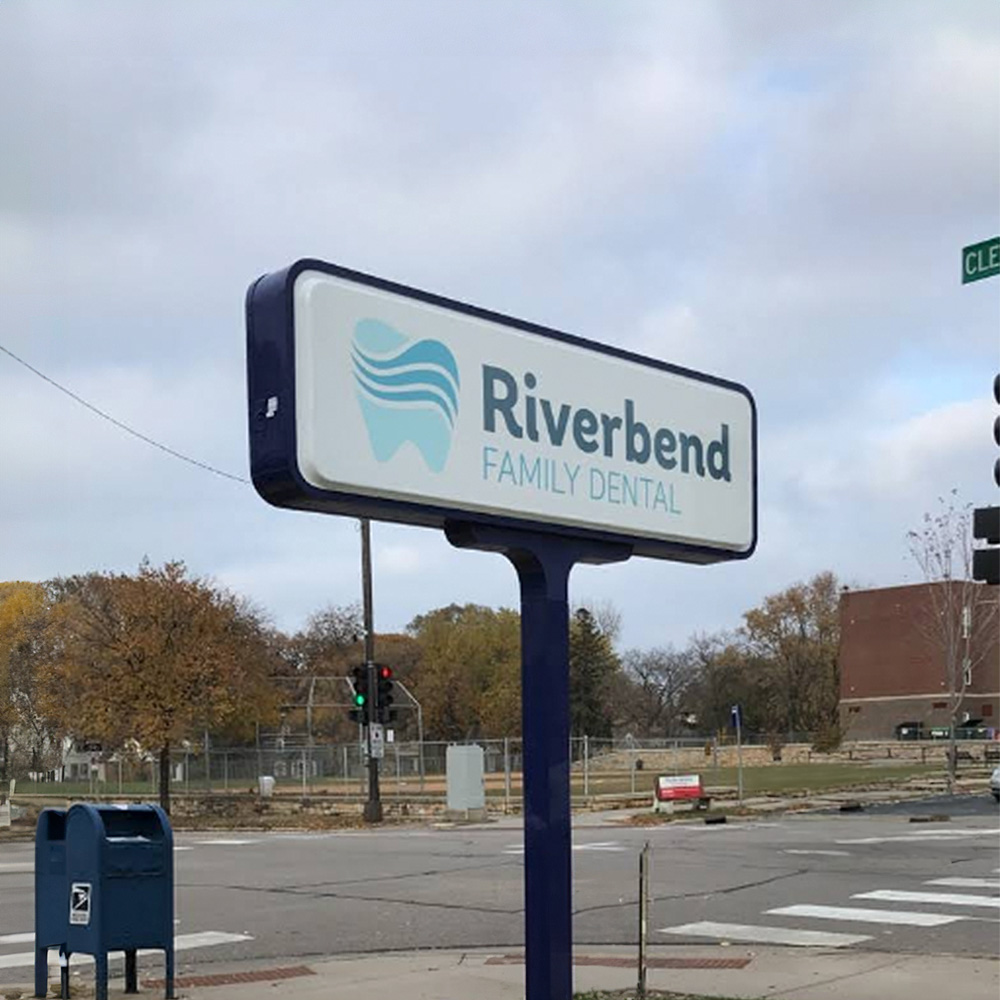
Ready to transform your dental experience?
At Riverbend Family Dental, our team makes achieving optimal oral health easy and stress-free. From routine check-ups to treatments like Invisalign, we provide clear communication and patient-focused care every step of the way.
Getting started is simple—call, email, or use our online portal to schedule a visit and have your questions answered by our experts. Don’t wait—contact Riverbend Family Dental today and experience compassionate, precise care for your smile.