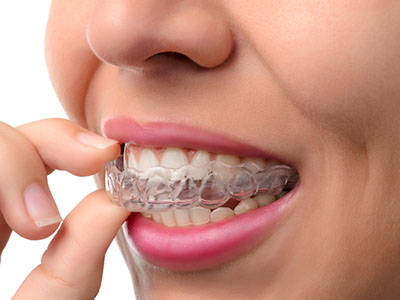
Invisalign® offers a discreet, modern alternative to traditional braces for adults and teens who want to improve tooth alignment without drawing attention to their orthodontic care. Using a series of clear, removable aligners, the system gently guides teeth into healthier, more functional positions while letting daily life continue with minimal interruption.
At Riverbend Family Dental, we focus on combining clinical expertise with patient-centered planning so each treatment feels purposeful and manageable. The goal is a lasting, confident smile that fits the way you live — without unnecessary complexity or downtime.

Invisalign® for Teens

Invisalign® for Brides

Invisalign® for Travelers
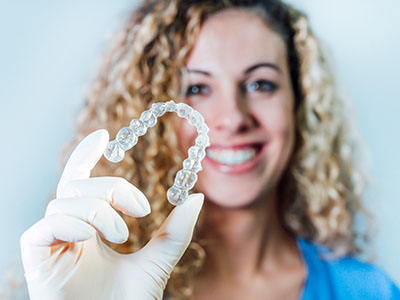
Before & After Photos
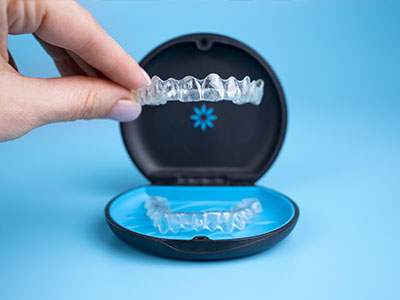
Invisalign® Videos
FAQs
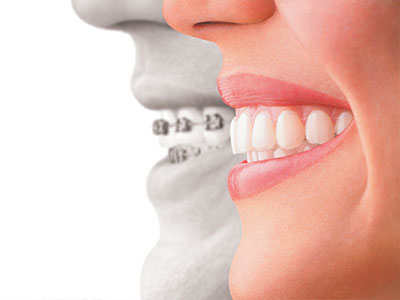
Invisalign® vs Braces
Invisalign® vs Direct-To-Consumer Aligners
Is Invisalign® Right For Me?

Invisalign® Costs
Invisalign® relies on a planned sequence of clear aligners that create small, controlled tooth movements. Each tray is designed to apply gentle pressure at specific points so the teeth shift predictably over time. The treatment plan is mapped out from the start, which helps your provider visualize the stages of correction and monitor progress at each visit.
Because the aligners are fabricated to tight tolerances using digital scans and precision manufacturing, the fit and force application are consistent across the treatment series. That consistency allows for smoother transitions between aligners and often reduces the need for frequent adjustments compared with older orthodontic methods.
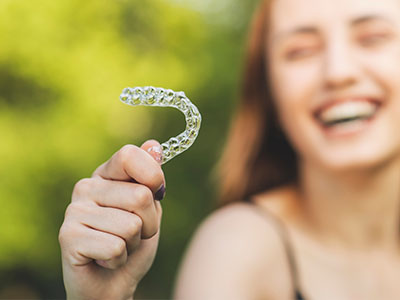
The removable nature of the trays also affects how teeth move. When worn for the recommended hours each day, the aligners maintain continuous low-level pressure. Removing them for eating and oral hygiene minimizes dietary restrictions and supports better long-term oral health during treatment.
Digital imaging and 3-D planning are central to how Invisalign® is prescribed and executed. Advanced scans create a virtual model of your teeth and bite, allowing clinicians to simulate movements and adjust the sequence before aligner fabrication begins. This preview not only helps the clinical team plan efficient movements but gives patients a clear sense of the projected outcome.
These tools also support more precise communication between the clinician and the laboratory manufacturing the aligners. When adjustments are needed mid-course, clinicians can refine the virtual plan and order targeted attachments or revised trays to keep the case on track.
Technology does not replace professional judgment; it amplifies it. The best results are achieved when an experienced provider interprets the digital data, tailors the plan to a patient's functional and aesthetic needs, and supervises the treatment from start to finish.
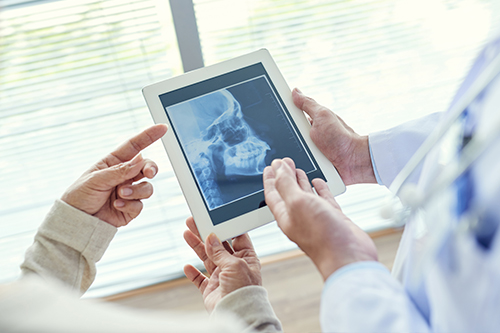
Choosing the right orthodontic approach starts with a thorough evaluation. During a consultation, your provider will assess bite relationships, tooth positions, jaw function, and any underlying dental concerns that could influence treatment. This comprehensive review helps determine if Invisalign® can address your goals effectively.
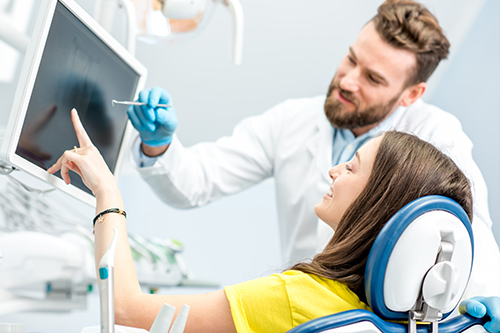
A modern Invisalign® start typically begins with a fast, precise digital scan of your teeth. These images replace messy impressions and create the baseline model used to design your treatment.
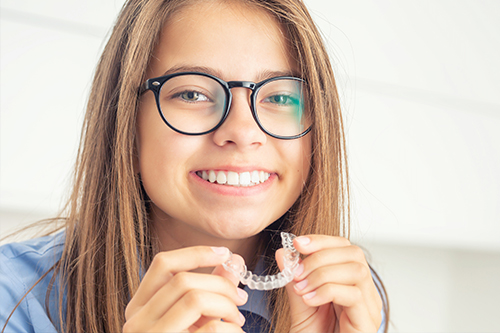
Your day-to-day role in aligner therapy is straightforward but essential: wear the trays as directed, generally for the majority of each day, and switch to the next set on schedule. Consistent wear is the primary factor that determines how smoothly treatment progresses.

Even though much of the daily work is done by the aligners, professional oversight remains important. Regular check-ins let the clinician verify that teeth are tracking as planned and address any adjustments promptly. This oversight ensures both efficiency and safety throughout the process.
These brief videos illustrate how aligners fit, how they are used during daily life, and what to expect across a course of treatment.
*Invisalign® is a registered trademark of Align Technology, Inc.
In summary, Invisalign® blends contemporary digital planning with patient-friendly, removable aligners to address many common alignment concerns. If you value a treatment path that emphasizes discretion, predictable movement, and an approach tailored to your life, it may be a strong option to consider.
To learn more or to discuss whether Invisalign® could be appropriate for you, contact Riverbend Family Dental for additional information and to arrange a consultation with one of our clinicians.
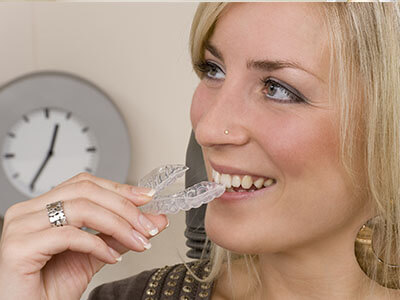

Invisalign® is a system of clear, removable aligners designed to correct mild to moderate tooth alignment issues without traditional metal braces. Each aligner is custom fabricated to apply gentle, targeted forces that guide teeth into new positions over time. Patients typically move through a planned series of trays that incrementally adjust tooth position until the prescribed outcome is achieved.
The treatment begins with a clinical evaluation and a digital scan that produces a three-dimensional model of your teeth. That model is used to map the sequence of movements and to manufacture aligners with consistent fit and force application. Because the trays are removable, they allow normal oral hygiene and fewer dietary restrictions compared with fixed appliances.
Invisalign® moves teeth through a sequence of removable plastic trays that apply controlled pressure at specific points, while traditional braces use brackets and wires to exert continuous force. The aligner workflow is planned digitally so each stage of movement is predicted and visualized before fabrication. This digital planning often enables a more staged, predictable progression for many common alignment goals.
Because aligners are replaced on a regular schedule, tooth movement is delivered in small, controlled increments that are designed to be comfortable and efficient. The removable nature of aligners also changes how patients maintain oral hygiene and eat, which can reduce plaque accumulation and certain periodontal risks during treatment. Clinical oversight remains essential to monitor tracking and make adjustments when needed.
Many adults and teens with mild to moderate crowding, spacing, or bite issues are suitable candidates for Invisalign®, provided they have good overall oral health. Candidates should have healthy gums and teeth free of active decay or untreated periodontal disease, as those conditions can complicate tooth movement. Compliance is also important, since consistent daily wear is required to achieve planned movements.
Cases that involve severe skeletal discrepancies, complex bite corrections, or significant jaw repositioning may require alternative or adjunctive orthodontic approaches. A comprehensive evaluation by a trained clinician determines whether aligner therapy alone can meet functional and aesthetic goals or whether combined treatment is advised. The clinician will review specific treatment limitations and expected outcomes during the consultation.
The initial consultation begins with a clinical exam, discussion of your goals, and review of dental and medical history to identify any factors that could affect treatment. Modern practices use a digital scan or impressions to create a 3-D model of your teeth, which the clinician uses to design a step-by-step movement plan. This session also includes an assessment of your bite, jaw function, and any restorative or periodontal needs that should be addressed before starting aligner therapy.
After the diagnostic workup, the clinician presents a proposed treatment sequence and a visual preview of the anticipated outcome so you know what to expect. The plan outlines expected check-in frequency, potential use of attachments or IPR (interproximal reduction), and retention strategies after active alignment. Riverbend Family Dental will review your case specifics and explain the recommended pathway and follow-up schedule during this visit.
Treatment duration with Invisalign® varies based on the complexity of the case, the number of aligners needed, and how consistently the patient wears their trays. Many straightforward cases complete within several months to about a year, while more complex corrections can take longer. Regular monitoring and adherence to the prescribed wear schedule are primary factors that influence the overall timeline.
Progress is typically evaluated at scheduled check-ins so the clinician can confirm whether teeth are tracking as planned and order refinements if necessary. If teeth are not responding as expected, additional aligners or minor adjustments may extend the planned timeline. Clear communication about daily wear expectations helps keep treatment on schedule.
Caring for aligners involves wearing them for the recommended hours each day, removing them for eating, and rinsing or brushing them before reinserting to minimize staining and bacterial buildup. Clean aligners using a gentle, manufacturer-approved method such as a soft brush and clear, mild soap or a dedicated cleaning product; avoid hot water that can warp the plastic. Store trays in their case when not in use to protect them from damage and contamination.
Maintaining excellent oral hygiene is easier with removable aligners because you can brush and floss normally between wear periods. Continue routine dental cleanings and address any cavities or gum concerns promptly, as oral health problems can interrupt or delay orthodontic progress. If you notice persistent staining, odors, or fit issues, contact your clinician for guidance.
Mild discomfort, pressure, or soreness is common during the first few days after switching to a new aligner, as teeth adapt to the prescribed forces. This sensation typically subsides as your mouth adjusts and is a normal part of the tooth-moving process. Severe or persistent pain is uncommon and should be reported so the clinician can evaluate fit and tracking.
Common strategies to manage everyday discomfort include eating softer foods on changeover days, using over-the-counter pain relievers per label directions if needed, and ensuring trays are fully seated each time. If an aligner produces a sharp sore spot or fits poorly, contact your provider; adjustments, smoothing, or a replacement tray can resolve fit-related issues safely.
Attachments are small, tooth-colored composite bumps bonded to selected teeth to provide aligners with additional grip and control for certain movements, such as rotations or vertical changes. They are planned during treatment design and can be added or removed by the clinician as needed. Attachments are minimally invasive and are shaped to work with the aligner to deliver targeted forces.
Refinements refer to additional aligners or plan modifications ordered after the initial series if teeth require further adjustments to reach the desired result. These midcourse corrections are common and part of routine clinical oversight, allowing the treatment to be fine-tuned based on how teeth actually track. Your clinician will explain when attachments or refinements are likely and how they support a predictable outcome.
Digital scanning creates an accurate, three-dimensional model of the teeth and bite that serves as the foundation for a detailed movement plan, replacing messy physical impressions. This virtual model enables clinicians to simulate each stage of alignment, anticipate potential challenges, and communicate precise specifications to the laboratory that fabricates the aligners. The result is improved fit, predictable staging, and a clearer visual of the projected end result.
3-D planning also supports more efficient midcourse adjustments because clinicians can modify the virtual plan and order targeted refinements without repeating lengthy impression workflows. Clear visualization helps set realistic expectations and fosters collaborative decision-making between patient and provider. When combined with clinical judgment, these tools contribute to safer, more consistent treatment progress.
Retention is a standard part of any alignment plan and typically involves wearing a retainer to maintain tooth positions once active movement is complete. Retainers can be removable or fixed, and the clinician will recommend a retention schedule tailored to your needs and the complexity of the original correction. Consistent retainer use in the months following treatment helps prevent relapse and protects the investment of care.
Long-term stability also depends on routine dental care and periodic follow-up visits so the clinician can monitor alignment and retention effectiveness. If tooth movement is detected, adjustments to the retention plan or additional aligner therapy may be discussed. Riverbend Family Dental can provide retention options and guidance to help preserve results over the years.
Ready to transform your dental experience?
At Riverbend Family Dental, our team makes achieving optimal oral health easy and stress-free. From routine check-ups to treatments like Invisalign, we provide clear communication and patient-focused care every step of the way.
Getting started is simple—call, email, or use our online portal to schedule a visit and have your questions answered by our experts. Don’t wait—contact Riverbend Family Dental today and experience compassionate, precise care for your smile.