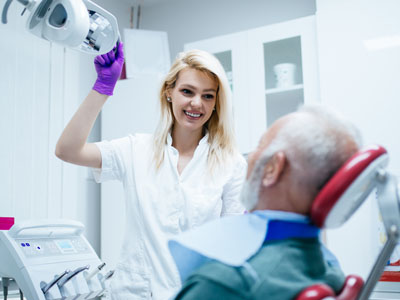
Oral cancer is often overlooked until symptoms become obvious, yet early detection dramatically improves treatment options and outcomes. Health authorities estimate tens of thousands of new cases each year in the United States, and while the overall death rate has declined with better care, late-stage diagnoses still carry significantly higher risks. Screening is a quick, low-risk step that can identify concerning changes before they progress.
Screenings are not only for people who feel unwell. Many precancerous or early cancerous changes cause no pain and may be invisible to a patient. That’s why incorporating a systematic examination of the oral cavity and surrounding tissues into regular dental visits is an effective safeguard. Detecting abnormalities early allows for less invasive treatment and better preservation of function and appearance.
For dental practices, oral cancer screening demonstrates a commitment to whole-patient health rather than focusing solely on teeth. When dental professionals look beyond cavities and gum disease, they serve as an important link in a patient’s overall cancer prevention and detection network. This page explains what patients can expect, who is at higher risk, and how modern screening techniques complement clinical judgment.
Certain behaviors and medical histories increase the likelihood of developing oral cancer. Tobacco use in all forms and regular heavy alcohol consumption are well-established risk factors, and the combination of both multiplies that risk. Traditionally, men over 50 have shown higher incidence rates, but demographic trends are shifting as other causes become more prominent.
Human papillomavirus (HPV), especially HPV-16, has become a significant contributor to cancers of the oropharynx. This has changed the profile of patients affected by oral cancers: younger, otherwise healthy individuals without classic tobacco or alcohol histories can develop HPV-related tumors. Other contributors include prior radiation to the head and neck, chronic irritation, and certain chemical exposures, as well as nutritional factors that influence immune resilience.
Medical conditions that suppress the immune system and chronic infections of the mouth can also play a role. Patients with persistent sores, lumps, unexplained numbness, or changes in swallowing or speech should be especially attentive. A clear understanding of these risk factors helps patients and clinicians tailor screening frequency and follow-up care.
A routine oral cancer screening is thorough but noninvasive, typically completed during a standard dental exam. The clinician will review your medical and dental history first, asking about any symptoms, recent changes, medications, or lifestyle habits that could influence risk. This contextual information helps the clinician interpret what they find during the physical exam.
During the examination, the dentist or hygienist inspects the lips, tongue (top, sides, and underside), floor of the mouth, cheeks, palate, and the throat as much as clinical access allows. They also palpate the jaw and neck to feel for enlarged lymph nodes or unusual lumps. The clinician looks for color changes, patches, persistent ulcers, thickened tissue, or any asymmetry that might warrant closer evaluation.
If an area appears suspicious, the practitioner will document its size, shape, texture, and location and discuss the appropriate next steps. In many cases, careful observation with a short-term follow-up is sufficient. When indicated, referral to a specialist for a biopsy or additional testing is the responsible course of action to establish a definitive diagnosis.
Beyond the visual and tactile exam, dental practices may use adjunctive technologies to help detect abnormalities that are hard to see with the naked eye. Devices that use tissue fluorescence, chemiluminescence, or specialized lighting can highlight areas of concern by revealing changes in tissue composition or cellular structure. These tools do not replace clinical judgment but can help prioritize areas for further assessment.
Digital imaging and intraoral cameras also improve documentation and patient communication. High-resolution photos enable clinicians to monitor suspicious areas over time and compare changes with precision. When combined with a detailed medical history and a methodical clinical exam, these technologies support more confident decision-making about whether to watch, biopsy, or refer.
It’s important to understand the limits of adjunctive tests: they can suggest which areas merit attention but are not diagnostic on their own. A biopsy examined by a pathologist remains the gold standard for confirming cancer. Good screening protocols rely on a thoughtful mix of clinical expertise, appropriate technology, and timely coordination with medical specialists when needed.
If the screening is normal, patients still benefit from routine reassessment at regular dental visits and from being alert to any new or persistent symptoms. Prevention also involves modifiable lifestyle choices: avoiding tobacco, limiting alcohol, maintaining a balanced diet, protecting the lips from excessive sun exposure, and discussing HPV vaccination with a medical provider when appropriate. These steps reduce risk and contribute to overall oral health.
When a screening identifies a suspicious lesion, the next steps are guided by clinical findings and patient preferences. The practice will outline options, which may include monitoring with repeat exams, referral for biopsy, or collaborative care with ENT specialists or oncologists. Clear communication and shared decision-making ensure that patients understand the rationale behind recommended actions and feel supported throughout the process.
At Riverbend Family Dental, our team emphasizes evidence-based screening as part of comprehensive care for patients in St. Paul and the surrounding communities. We strive to create a calm, informative environment where questions are welcomed and follow-through is coordinated efficiently with local specialists when needed.
In summary, oral cancer screening is a simple, essential component of routine dental care that can detect early changes before they become advanced disease. By understanding risk factors, knowing what to expect during an examination, and taking sensible preventive steps, patients can significantly improve their chances for successful treatment if abnormalities arise. Contact us to learn more about our screening process or to schedule a routine exam—our team is here to help answer your questions and support your oral health.


An oral cancer screening is a focused clinical evaluation of the mouth, lips, tongue, throat and surrounding tissues to look for early signs of abnormal change. The exam is performed by a dental professional and includes a careful visual inspection and gentle palpation of soft tissues and lymph nodes. Screenings are preventive in nature and are intended to identify suspicious lesions, persistent sores or other abnormalities that may require further testing.
Screening does not diagnose cancer by itself but helps guide the need for additional evaluation such as imaging or biopsy. Because early changes can be subtle, routine screenings are an important part of comprehensive oral health care. If anything unusual is detected, your clinician will explain next steps and refer you for definitive testing when appropriate.
Oral cancer screenings are important because they increase the chance of detecting disease at an earlier, more treatable stage. Early detection can reduce the extent of treatment required and improve long-term outcomes, while also allowing clinicians to monitor suspicious areas more closely. Regular screening also provides an opportunity to document tissue appearance over time so that subtle changes can be identified sooner.
Because some oral cancers develop without obvious symptoms, routine screening helps identify problems before they become advanced. Screenings also provide a chance to educate patients about risk factors and protective measures that may lower their lifetime risk of oral cancer. When screening identifies a concern, timely coordination with medical specialists supports rapid diagnostic follow-up.
Most adult patients benefit from routine oral cancer screening as part of their dental exam, with particular emphasis for people who use tobacco, consume alcohol heavily, have a history of HPV infection, or have previous head and neck cancer. Individuals with chronic oral sores, lumps, red or white patches, or persistent throat changes should be evaluated promptly. Older adults and those with significant sun exposure to the lips are also considered higher risk and warrant careful examination.
Your dental team can help determine an appropriate screening schedule based on your medical history, lifestyle factors and any symptoms you report. Even patients without classic risk factors should receive periodic screening, since oral cancer can occur in people with no known risks. Open communication about symptoms and habits helps your provider tailor preventive care to your needs.
Oral cancer screening is typically incorporated into routine dental checkups, so most adults are screened at least once a year during their regular exam. Patients with higher risk factors or those with suspicious findings may be screened more frequently, sometimes every three to six months, depending on clinical judgment. Regular monitoring helps detect changes over time and guides decisions about when to pursue further testing.
Because individual needs vary, the best interval for screening should be set in consultation with your dental provider. If you notice new or persistent symptoms between visits, schedule an appointment promptly rather than waiting for your next routine checkup. Timely evaluation of new findings improves the chances of early detection and effective management.
A screening typically begins with a visual inspection of the lips, oral mucosa, gums, tongue, floor of mouth and throat, followed by gentle palpation of oral tissues and neck lymph nodes to assess for firmness or swelling. The clinician documents any areas of concern and may take photographs or notes to compare at future visits. Screenings are noninvasive, generally painless and can be completed in a few minutes as part of a standard dental exam.
When warranted, adjunctive tools such as tissue illumination, toluidine blue staining or a cytology brush may be used to help evaluate suspicious areas, but these tools are considered supplemental and do not replace biopsy. If a lesion appears suspicious, the practice will discuss referral options for definitive diagnosis and may coordinate care with oral surgeons or ENT specialists. Our team at Riverbend Family Dental follows current guidelines to ensure findings are addressed promptly and appropriately.
Common signs to watch for include persistent sores that do not heal, red or white patches, lumps or thickened areas in the mouth, unexplained bleeding, numbness, or a persistent sore throat or hoarseness. Difficulty swallowing, unexplained ear pain, or a change in the way teeth fit together can also be warning signs. Any lesion that persists for more than two weeks should be evaluated by a dental or medical professional.
Because these symptoms can result from many noncancerous conditions, prompt evaluation is important to determine the cause and rule out serious disease. Keep a record of when symptoms began and whether they change over time, and share that information with your provider during the exam. Early reporting and assessment help ensure that concerning findings receive appropriate follow-up.
Oral cancer screenings are a tool for early detection and can identify suspicious lesions before they become symptomatic, which may allow for earlier intervention and improved outcomes. Early detection does not guarantee prevention of disease, but it increases the likelihood that treatment can be less extensive and more effective. Screenings also support prevention by enabling clinicians to counsel patients about modifiable risk factors such as tobacco and alcohol use.
Limitations exist because some lesions are not visibly distinct early on, and adjunctive tests are not definitive without biopsy. For these reasons, screenings are best viewed as one component of a comprehensive approach that includes patient education, risk reduction and timely referral for diagnostic testing when indicated. Coordinated care with medical specialists ensures that suspicious findings move quickly from detection to diagnosis.
If a suspicious area is identified, the clinician will document its appearance, size and location and then discuss recommended next steps with you. Next steps commonly include a short-term recheck to monitor for change, referral to a specialist for biopsy, or immediate imaging and diagnostic testing when indicated. The goal is to determine whether the lesion is benign, precancerous or malignant so that the most appropriate treatment plan can be developed.
Your dental team will explain the rationale for each option and coordinate referrals to oral surgeons, otolaryngologists or dermatologists as needed. During this process, clear communication about timelines and expectations helps reduce uncertainty and ensures that diagnostic steps occur promptly. If biopsy is required, your clinician will help you understand the procedure and what to expect during recovery.
In-clinic screening primarily involves visual and tactile examination, which remains the cornerstone of early detection. Adjunctive technologies such as tissue fluorescence, chemiluminescent light sources, toluidine blue staining and brush cytology can provide additional information in select cases, but they do not replace clinical judgment or biopsy. These tools may help highlight areas for closer inspection and documentation over time.
Decisions about using adjunctive tests depend on the clinical situation and the clinician's experience; they are chosen to complement, not substitute for, a careful oral exam. When imaging or biopsy is indicated, those diagnostic modalities provide definitive information that guides treatment. Your provider can explain the benefits and limitations of any additional tests being considered.
To schedule an oral cancer screening, call the office during regular hours and request an appointment for a comprehensive oral exam that includes screening. New patients may call (651) 212-2071 while existing patients can reach the practice at (651) 699-3212; the office is located at 241 Cleveland Ave S, Suite D1 in St. Paul, MN. The front desk staff will help you find an appointment time and explain any preparations needed for your visit.
If you notice a new or persistent symptom between scheduled visits, contact the office promptly to request an earlier evaluation. Early assessment of suspicious findings helps ensure timely diagnosis and appropriate follow-up care. Your dental team will coordinate any necessary referrals and keep you informed at each step of the process.
Ready to transform your dental experience?
At Riverbend Family Dental, our team makes achieving optimal oral health easy and stress-free. From routine check-ups to treatments like Invisalign, we provide clear communication and patient-focused care every step of the way.
Getting started is simple—call, email, or use our online portal to schedule a visit and have your questions answered by our experts. Don’t wait—contact Riverbend Family Dental today and experience compassionate, precise care for your smile.