At the office of Riverbend Family Dental, we take a proactive approach to oral health because early detection and consistent prevention deliver the best long-term outcomes. Regular oral exams are the foundation of smart dental care: they let your clinician spot subtle changes, address concerns before they become problems, and create an individualized plan that fits your lifestyle and health priorities. These appointments are as much about gathering information as they are about building a trusting relationship with your dental team.
An oral exam is more than a quick look in the mirror. Our goal is to create a clear baseline for your mouth’s current condition and monitor changes over time. By combining a careful visual inspection with clinical testing and targeted imaging when necessary, we can form a holistic picture of your oral health and recommend sensible, evidence-based next steps when needed.
Your first exam with our team is designed to be thorough and informative. We begin by reviewing your medical and dental histories to understand how medications, past treatments, medical conditions, and lifestyle factors may affect your oral tissues. This conversation helps us prioritize which areas need extra attention and clarifies any symptoms you’ve noticed, such as sensitivity, jaw pain, or unusual wear.
Next, we perform a step-by-step clinical assessment: teeth, gums, tongue, cheeks, palate, and the gums that support your teeth. We check tooth surfaces for early decay, evaluate gum health for signs of inflammation or pocketing, and observe soft tissues for unusual changes. We also assess your bite and jaw movement to identify clenching, grinding, or joint issues that can affect function and comfort.
When appropriate, we recommend diagnostic imaging to supplement the visual exam. Digital x-rays or other imaging tools reveal hidden cavities, bone levels, root integrity, and developing problems that aren’t visible to the naked eye. Together, these findings let us document a clear baseline so future visits are measured against accurate, well-documented data.

Your mouth is an entry point to overall health, and the condition of oral tissues often reflects broader physiologic changes. During an exam we look for signs that could indicate systemic issues—persistent dry mouth, unusual ulcerations, or rapid gum changes—that may warrant communication with your medical provider. Recognizing these signals early helps coordinate care across disciplines and supports better health outcomes.
Research increasingly shows connections between oral inflammation and conditions such as heart disease, diabetes, and respiratory issues. While oral exams alone don’t diagnose systemic disease, they are a valuable screening opportunity to identify risk indicators and start conversations that can protect your long-term well-being.
We also watch for oral manifestations of medications and chronic conditions: some drugs reduce saliva flow and raise cavity risk, while certain diseases can change mucosal appearance. By documenting these findings, we help you and your medical team manage risk factors and maintain both oral comfort and overall health.

Routine oral exams are preventive by design. Instead of waiting for pain or a visible problem, regular visits allow us to catch small issues—early decay, gingival inflammation, or irregular wear—when solutions are simpler, faster, and less invasive. We tailor the frequency of visits to each patient; many benefit from twice-yearly checkups, while others with specific risk factors may need more frequent monitoring.
Professional cleanings are an essential companion to the oral exam. Even the most diligent home-care routine can miss plaque in tight contacts or below the gumline; our hygienists use precise instruments to remove hardened deposits and polish surfaces, reducing bacterial load and helping your tissues stay healthy. Cleanings also make it easier for you to maintain results at home by smoothing surfaces and reducing stain buildup.
Every checkup is also an opportunity for targeted education. We take time to review brushing and flossing techniques, discuss dietary choices that affect enamel and gums, and demonstrate tools or approaches that might make daily care more effective. The aim is practical guidance that fits your household, not generic instructions that are hard to maintain.
Visual examination is essential, but imaging unlocks what lies beneath enamel and soft tissue. X-rays and other diagnostic images show early decay between teeth, bone levels around tooth roots, impacted or developing teeth, and the condition of previous restorations. These images are a vital complement to the clinical exam and allow us to plan care with confidence and precision.
Technological advances have made modern imaging faster and safer. Digital radiography reduces radiation exposure while producing clear, immediate images you can view with your clinician. These images become part of your record, enabling side-by-side comparisons over time so we can detect subtle changes long before symptoms appear.
When an exam or treatment plan requires deeper analysis, we may recommend three-dimensional imaging for a precise evaluation of jaw anatomy or for surgical planning. Advanced imaging supports more predictable outcomes for complex procedures and gives us a detailed map for accurate treatment delivery.
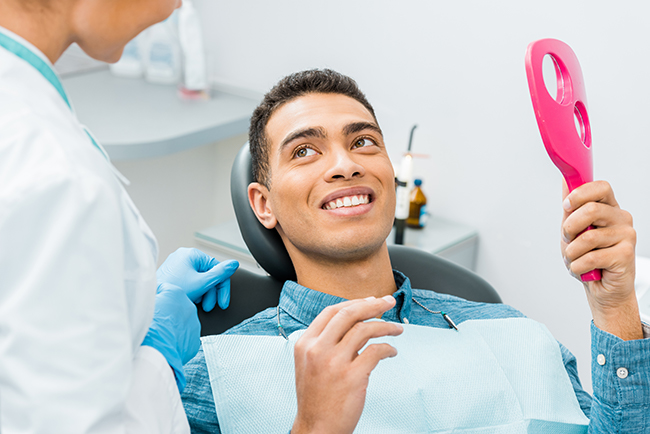
Several imaging formats are commonly used in general dental care, each serving a particular purpose. Periapical images capture an entire tooth from crown to root and are ideal for evaluating root health and surrounding bone. Bitewing films focus on the crowns of back teeth to detect interproximal decay and monitor bone height in the posterior regions.
A full-mouth series combines bitewings and periapicals to provide a comprehensive view when a detailed baseline is required. Panoramic films offer a wide, two-dimensional overview of jaws and developing teeth—useful for assessing impacted third molars, large jaw lesions, or general developmental concerns. For orthodontic assessment, cephalometric images show a profile view of facial skeleton and dental relationships.
For cases that demand the most detailed anatomical information—implant planning, complex pathology, or certain surgical evaluations—we may use cone-beam computed tomography (CBCT). CBCT generates three-dimensional images that allow precise measurement and visualization of bone, root positions, and nearby anatomical structures to guide treatment safely and effectively.
In every case, we recommend only the imaging necessary to answer a clinical question or guide care. That approach balances diagnostic value with prudent use of technology, ensuring you get clear answers without unnecessary procedures.
Regular oral exams are an investment in comfort, function, and long-term health. By combining attentive clinical assessment, targeted imaging, and patient-focused education, we work to prevent problems and intervene early when needed. If you have questions about what to expect at your next exam or want to learn more about our approach, please contact us for more information.
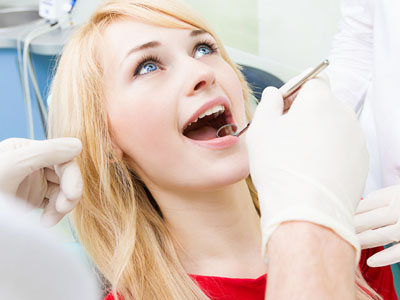

An oral exam is a clinical assessment that evaluates the health of the teeth, gums and soft tissues of the mouth. The exam typically includes a visual and tactile inspection of the lips, tongue, cheeks, palate and throat to identify signs of decay, infection or other abnormalities. It also reviews the condition of existing restorations and checks how the teeth come together when you bite.
Oral exams are an opportunity for your dental team to assess risk factors, update your medical and dental history and identify issues before they require more involved treatment. Findings from the exam guide preventive care, hygiene recommendations and any necessary diagnostic imaging or referrals. Patients receive a clear summary of results and suggested next steps at the end of the visit.
Most patients benefit from routine oral exams every six months, but the ideal frequency depends on individual risk factors such as gum disease, decay history, medical conditions and tobacco use. Your dentist will recommend a schedule tailored to your oral health needs, and that plan may include more frequent visits for monitoring or management. Regular exams help catch problems early, when they are easier to treat.
For patients with stable oral health, annual or semiannual exams paired with professional cleanings are often sufficient to maintain preventive care. Those with active periodontal disease, frequent cavities or complex restorative work may require shorter intervals between exams. Discussing your personal risk profile with your clinician ensures the exam schedule supports long-term oral health.
An oral exam begins with a review of your medical history and any changes in medications or health status that could affect dental care. The clinician conducts a systematic visual and manual inspection of the mouth, evaluates periodontal health by checking pocket depths and gum condition, and assesses teeth for decay, fractures or failing restorations. Additional screening for jaw joint function and occlusion may be included to identify signs of clenching, grinding or TMD.
After the clinical portion, the dentist will discuss findings, answer questions and outline recommended next steps, which might include preventive measures, diagnostic imaging or referrals. All observations are documented in your chart to track changes over time and support continuity of care. The exam is collaborative, and patients are encouraged to participate by reporting symptoms or concerns.
Oral exams are generally noninvasive and should not be painful for the majority of patients; most procedures involve only visual inspection and gentle palpation. Patients who have active tooth pain, inflamed gums or sensitive areas may experience temporary discomfort during probing or manipulation. Clinicians take steps to minimize discomfort, including using gentle technique and explaining each step of the exam.
If any part of the exam reveals a condition that requires treatment, the dentist will discuss comfort options and appropriate anesthesia or pain-management strategies before proceeding. Open communication about sensitivity or anxiety helps the team tailor the experience to your comfort level. Patients with significant dental fear can request additional support or behavior-management approaches during visits.
Oral exams include an oral cancer screening that involves a careful visual and tactile inspection of the lips, tongue, floor of the mouth, cheeks and throat for sores, patches or lumps that are unusual or persistent. The clinician will ask about risk factors such as tobacco use, alcohol consumption and human papillomavirus (HPV) exposure to assess screening needs. When a suspicious lesion is identified, the practice documents its appearance, may take photographs and will recommend appropriate follow-up testing or biopsy.
Early detection of unusual tissue changes significantly improves outcomes, so routine screening is an important part of preventive care. If the exam raises concerns, your dentist will explain next steps clearly and coordinate timely referral to an oral surgeon or other specialist when indicated. Patients are encouraged to report any persistent mouth sores, lumps or unexplained changes between visits.
Dental X-rays are often used in conjunction with an oral exam to reveal issues that cannot be seen during a visual inspection, such as interproximal decay, bone levels around teeth and the status of tooth roots. The need for radiographs is determined by your dental and medical history, current symptoms and the findings of the clinical exam. Modern digital radiography reduces radiation exposure and provides detailed images that help the dentist make accurate diagnoses.
Radiographs complement but do not replace the clinical exam; together they offer a more complete picture of oral health. Frequency and type of X-rays are individualized to limit exposure while ensuring appropriate diagnostic information. Any decision to take images is discussed with the patient and documented in the treatment record.
Oral exams for children focus not only on decay prevention but also on growth and development, eruption patterns and habits such as thumb-sucking or tongue thrusting that can affect future alignment. The clinician assesses primary teeth, monitors the eruption of permanent teeth and evaluates bite relationships to identify early orthodontic concerns. Exams for children routinely include anticipatory guidance on home care, diet and fluoride use appropriate for the child’s age.
Communication and behavior management are adapted to the child’s developmental level to create a positive, educational experience. Parents receive guidance on establishing effective oral hygiene routines and scheduling preventive visits to reduce the risk of decay. When necessary, the dentist will outline a plan for follow-up or referrals to pediatric specialists for specialized care.
To prepare for an oral exam, bring an up-to-date list of medications, any changes in your medical history and a summary of recent dental treatments or symptoms. Make note of specific concerns you want to discuss, such as sensitivity, bleeding gums or changes in your bite, so the clinician can address them during the visit. If you wear removable appliances, bring them to the appointment so they can be evaluated for fit and condition.
Maintain your regular oral hygiene routine before the exam unless instructed otherwise, and arrive with questions you would like answered about prevention or treatment options. Clear communication helps the dental team provide a personalized evaluation and develop an appropriate plan. If you have anxiety or special care needs, notify the office in advance so staff can make accommodations to support a comfortable visit.
A routine oral exam usually takes about 20 to 30 minutes, though the exact length depends on the complexity of the evaluation and whether diagnostic imaging or periodontal measurements are required. New patients or those with recent concerns may need additional time for a comprehensive review of medical history and a more detailed assessment. When an exam is scheduled alongside a professional cleaning, allow extra time to complete both services comfortably.
Clinicians allocate time to discuss findings and answer patient questions so you leave the visit with a clear understanding of your oral health status. If follow-up treatment is needed, staff will outline recommended next steps and coordinate any necessary appointments. Efficient scheduling helps ensure thorough care without unnecessary delays.
Oral exams are a cornerstone of preventive dentistry because they enable early detection of decay, gum disease and other oral health issues before they progress to more complex problems. Regular exams allow clinicians to monitor changes over time, reinforce effective home-care habits and provide targeted preventive measures such as topical fluoride or sealants when appropriate. This proactive approach reduces the need for invasive treatments and helps patients maintain long-term oral health.
At Riverbend Family Dental, oral exams are integrated into individualized preventive plans that consider each patient’s history and risk factors to promote lasting results. Clear communication of findings and practical guidance empower patients to take an active role in their oral health between visits. Consistent exams and follow-up care form the foundation of a safe, evidence-based prevention strategy.

Ready to transform your dental experience?
At Riverbend Family Dental, our team makes achieving optimal oral health easy and stress-free. From routine check-ups to treatments like Invisalign, we provide clear communication and patient-focused care every step of the way.
Getting started is simple—call, email, or use our online portal to schedule a visit and have your questions answered by our experts. Don’t wait—contact Riverbend Family Dental today and experience compassionate, precise care for your smile.