At the office of Riverbend Family Dental, we focus on nurturing healthy smiles from the very beginning. Our pediatric approach balances prevention, practical guidance, and gentle clinical care so children learn good habits and families feel confident about oral health decisions. This page outlines how we help infants, children, and teens stay healthy, protected, and ready to smile.

Good dental health starts long before permanent teeth arrive. Early visits allow clinicians to track growth, catch developing concerns, and coach families on age-appropriate care. Routine appointments create a predictable, supportive experience that reduces fear and builds trust — both essential for lifelong oral health habits.
Our pediatric-focused care emphasizes prevention: professional cleanings, targeted fluoride when appropriate, and sealants for vulnerable chewing surfaces. These measures work together to reduce the chance of cavities and keep smiles comfortable and functional. When treatment is needed, we prioritize minimally invasive options that preserve tooth structure.
Beyond the clinical exam, education is central. We help parents and caregivers understand how diet, oral hygiene, and healthy routines influence dental development. Teaching children to care for their teeth with confidence sets them up for success as their smiles change through childhood and adolescence.
Daily habits make the biggest difference. For infants and toddlers, gentle gum wiping and a soft toothbrush are the first steps; as teeth emerge, a pea-sized amount of fluoride toothpaste and a supervised brushing routine work best. We provide clear, age-specific guidance so families know what to do and when to switch tools or techniques.
Encouraging consistency — brushing twice a day and beginning flossing when teeth touch — is easier when it’s presented in a practical way. We offer tips to make brushing routine and enjoyable, from choosing fun toothbrushes to creating short, rewarding rituals that children look forward to repeating.
Habits like prolonged bottle use, frequent sugary snacks, or sustained pacifier and thumb-sucking can increase the risk of decay or affect dental development. We discuss gentle strategies to replace or wean these habits and provide supportive advice that balances firmness with understanding of each child’s needs.
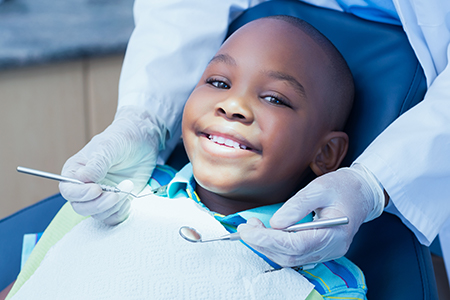
Regular dental visits let the care team monitor how teeth and jaws are growing, spot small problems before they escalate, and maintain a clean environment free of plaque and tartar buildup. For most children, twice-yearly checkups provide the right balance of preventive oversight and timely care.
During an exam, we review medical history, assess oral tissues, evaluate bite and jaw function, and recommend targeted radiographs when they add diagnostic value. Cleanings remove buildup in places children may miss, and the clinician will offer tailored guidance to keep daily home care effective and age-appropriate.
Tooth decay remains a common childhood condition, but it is largely preventable. Cavity formation is driven by bacteria, dietary sugars, and inconsistent oral hygiene. Small changes — swapping sugary drinks for water, limiting sticky snacks, and reinforcing brushing — reduce risk dramatically.
We explain how decay can progress and why early detection matters. Treatments range from fluoride varnish and sealants to conservative restorations when necessary, always with the child’s comfort and long-term dental health in mind.
Start dental care with gentle cleaning of gums and emerging teeth
Brush twice daily with a soft-bristled brush and age-appropriate fluoride toothpaste
Avoid letting babies fall asleep with bottles containing milk or juice
Bring children for routine appointments and follow professional advice on preventive treatments
Model good oral habits and make brushing a shared, positive activity
Choose nutritious snacks and favor water over sugary beverages
Support timely weaning from pacifiers and discourage prolonged thumb-sucking
Use a properly fitted mouthguard for contact or collision sports

Many parents wonder when to begin dental care. The first dental visit — often recommended around the first birthday or when the first tooth appears — is an opportunity to establish a dental home, set expectations, and answer questions about feeding, teething, and oral hygiene.
Teething can be uncomfortable but is usually managed with safe, simple measures like chilled teething rings or gentle gum massage. We walk families through what’s typical and when symptoms merit a call to the office so concerns are addressed promptly and calmly.
Because primary teeth serve important roles in chewing, speaking, and maintaining space for permanent teeth, early monitoring is essential. If decay or injury affects baby teeth, timely management protects both the child’s comfort and their long-term dental development.
As children enter school, their routines and diets change — and so do their dental needs. This is the phase when permanent molars appear and when sealants and fluoride can offer strong protection against cavities in deep grooves of the back teeth.
For kids who play organized sports, a custom or properly fitted mouthguard significantly reduces the risk of dental injury. We discuss options and fit mouthguards based on the sport and the child’s comfort so protection doesn’t interfere with play.
Orthodontic screening is another aspect of school-age care. Early evaluation helps identify jaw or tooth positioning concerns that might benefit from observation or timely referral, so interventions — if needed — can be planned with the child’s overall development in mind.
Through adolescence, dental guidance shifts toward preparing for permanent teeth, monitoring jaw growth, and addressing emerging concerns such as impacted wisdom teeth or alignment issues. Regular exams let clinicians observe facial growth patterns and translate those observations into sensible recommendations.
When restorative or orthodontic care becomes appropriate, we focus on timing that supports the most effective outcomes. Monitoring permits less invasive interventions in many cases and helps families make informed choices about therapies that support function, comfort, and confidence.
For unexpected injuries or sudden tooth pain, responsive care prevents complications. Our team works to evaluate and stabilize problems promptly, aiming to preserve natural teeth and minimize disruption to a child’s routine.
A balanced diet supports both general growth and the tissues that hold teeth in place. Foods rich in calcium, protein, and vitamins support strong teeth and healthy gums. We advise families on practical swaps and snack strategies that satisfy appetites without compromising oral health — practical tips that fit a busy household.
In summary, pediatric dental care blends prevention, development-focused monitoring, and family-centered education to keep young smiles healthy and resilient. If you’d like to learn more about how we support children’s dental health at Riverbend Family Dental, please contact us for more information.


Pediatric dentistry is the branch of dentistry focused on the oral health of infants, children and adolescents. It combines preventive care, growth and development monitoring, and age-appropriate restorative treatment to support healthy smiles as children grow. Pediatric dentists are trained to address unique anatomical, behavioral and developmental needs that affect dental care for young patients.
Early, routine care helps detect issues such as tooth decay, bite problems and developmental abnormalities at a stage when treatment is simpler and more effective. By establishing a dental home, families receive guidance on nutrition, hygiene and preventive strategies tailored to each child's needs. This foundation supports long-term oral and overall health and helps children build positive attitudes about dental care.
Professional organizations recommend a child's first dental visit by the appearance of the first tooth or no later than their first birthday. This early check allows the dentist to assess eruption patterns, screen for early decay and identify anatomical issues that could affect feeding or speech. It also gives parents timely guidance on brushing, pacifier use and other habits that influence oral health.
Scheduling an early visit establishes a relationship between the family and the dental team that can reduce anxiety and improve preventive outcomes. Visits at a young age also provide opportunities for anticipatory guidance as the child develops. If concerns such as premature tooth loss or developmental differences exist, the dentist can coordinate care with pediatricians or dental specialists.
Core preventive services in pediatric dentistry include routine dental exams, professional cleanings, fluoride varnish applications and targeted oral hygiene instruction for parents and children. Dental sealants on molars, nutritional counseling and routine radiographic screening when appropriate are additional measures used to prevent cavities. These interventions are selected based on each child's risk factors, age and developmental stage.
Preventive care focuses on minimizing disease while supporting normal growth and development of the teeth and jaws. The dental team will make personalized recommendations for the frequency of visits and at-home routines to help reduce cavities risk. Ongoing education helps families maintain consistent habits that protect childhood teeth.
Sealants are thin protective coatings applied to the chewing surfaces of molars and premolars to prevent food and bacteria from settling in pits and fissures. They are typically placed on permanent molars as they erupt, and sometimes on primary molars for high-risk children. Application is quick, painless and often completed during a routine visit.
Sealants are most beneficial for children and teens because posterior teeth have deep grooves that trap debris. When used alongside good home care and fluoride, sealants significantly reduce the incidence of cavities on treated surfaces. The dental team will evaluate each tooth and recommend sealants based on eruption stage and caries risk.
When decay or damage occurs, pediatric dentists use conservative restorative techniques that prioritize preservation of the tooth and the comfort of the child. Common treatments include tooth-colored composite fillings for small cavities and stainless steel crowns for larger restorations on primary molars. Materials and approaches are chosen for durability, biocompatibility and suitability for a child's developing mouth.
For deeper decay affecting the tooth pulp, pulpotomy or pulpectomy may be performed to retain the tooth until natural exfoliation. In some cases extractions are necessary when a tooth cannot be saved, and space maintenance may be considered to guide proper eruption of permanent teeth. Your child's dentist will explain the recommended treatment and how it supports long-term dental development.
Pediatric dentists are trained in behavior guidance techniques that help children cooperate and feel safe during dental visits. Methods such as tell-show-do, positive reinforcement and distraction are commonly used to build trust and reduce anxiety. The office will tailor its approach to the child's developmental level, temperament and prior dental experiences.
When necessary and appropriate, the team may use adjuncts such as nitrous oxide for mild sedation or can discuss referral for deeper sedation or hospital-based care with specialists. All sedation options are considered carefully with safety protocols and informed consent. Parents are included in planning so that the chosen approach aligns with the child's needs and family preferences.
In a dental emergency—such as severe toothache, a knocked-out tooth or a fractured tooth—prompt action can improve the outcome. For a knocked-out permanent tooth, hold it by the crown, rinse gently and try to place it back in the socket or keep it moist in milk or saliva while seeking immediate care. For severe pain or swelling, contact the dental office or emergency services to address infection or pain control.
Riverbend Family Dental's office can provide guidance and urgent appointments when needed; parents should call (651) 212-2071 for new patients or (651) 699-3212 for existing patients to report the issue and receive instructions. For younger children with damaged primary teeth, the goal is to manage pain and infection while protecting the developing permanent teeth. Documenting the time of injury and any changes in the child's general health will help the dental team make timely decisions.
Frequent exposure to sugary drinks and snacks increases the risk of tooth decay because sugars feed cavity-causing bacteria that produce acid. Promoting water, limiting sticky or frequent snacking and offering balanced meals support enamel health and reduce caries risk. Breastfeeding and bottle practices, including nighttime feeding, also influence early tooth decay and should be discussed with the dentist.
Habits such as thumb sucking and prolonged pacifier use can affect tooth alignment and bite when they persist beyond certain ages. The dentist provides strategies and timing for safe habit cessation to minimize orthodontic consequences. Monitoring and early intervention help guide normal jaw and tooth development.
The American Association of Orthodontists recommends an orthodontic screening by age 7 to identify early signs of crowding, crossbite or jaw discrepancies that may benefit from guidance. Early evaluation does not always mean early treatment, but it allows the dentist to monitor growth and plan timely intervention when needed. Pediatric dentists coordinate with orthodontists to determine the optimal timing for braces or interceptive therapy.
Identifying problems early can simplify future treatment and sometimes reduce the complexity of care. Common early interventions include space maintainers, guidance of jaw growth or simple appliances that avoid more extensive procedures later. Your child's dentist will explain findings clearly and refer for specialty care when appropriate.
Parents can prepare children by using simple, positive language about the appointment, role-playing the visit at home and reading age-appropriate books about dental care. Avoid using scare tactics or punitive language that may create fear, and focus instead on the benefits of a healthy smile and the caring nature of the dental team. Bringing a comfort item and arriving a few minutes early to allow time to settle can help younger patients feel more at ease.
Provide the dental team with a complete health history, medication list and any relevant information about past medical or dental experiences so care can be individualized. Ask the team about preventive steps to follow at home and how to maintain daily oral hygiene for your child's developmental stage. If your child has special healthcare needs, notify the office ahead of time so accommodations and an appropriate care plan can be arranged.

Ready to transform your dental experience?
At Riverbend Family Dental, our team makes achieving optimal oral health easy and stress-free. From routine check-ups to treatments like Invisalign, we provide clear communication and patient-focused care every step of the way.
Getting started is simple—call, email, or use our online portal to schedule a visit and have your questions answered by our experts. Don’t wait—contact Riverbend Family Dental today and experience compassionate, precise care for your smile.