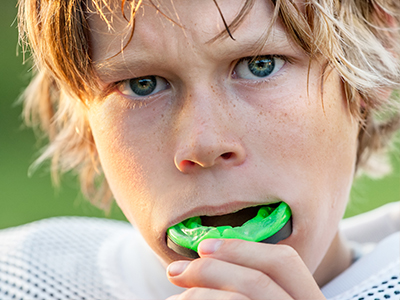
A properly fitted mouthguard acts as a first line of defense against the unpredictable forces that come with sports and active play. In addition to cushioning impacts to the teeth, a mouthguard helps absorb and disperse shock that might otherwise be transmitted to the cheeks, lips, tongue, or jaw joint. That energy redistribution reduces the chance of broken teeth, soft-tissue lacerations, and some jaw injuries that can lead to longer recovery times and additional dental work.
Wearing a mouthguard also lowers the likelihood of tooth displacement and the need for urgent dental care after a collision. For athletes with prior dental restorations—crowns, bridges, or bonded work—protection becomes even more important, because those restorations can be vulnerable to high-impact trauma. A mouthguard helps protect both natural teeth and dental work, preserving oral health and reducing the risk of follow-up procedures.
Beyond immediate injury prevention, consistent mouthguard use can contribute to safer habits on the field. Players who know their mouth is protected are often more confident in competitive situations, and coaches can focus on skill and strategy instead of worrying about preventable dental emergencies. In short, a mouthguard is a small piece of equipment with outsized potential to prevent pain, missed playing time, and long-term dental issues.
There are three common categories of mouthguards—stock, boil-and-bite, and custom-made—each offering different levels of fit, comfort, and protection. Stock guards are pre-formed and available off the shelf; they are inexpensive and easy to obtain but often fit poorly and can interfere with breathing or speaking. Boil-and-bite guards soften in hot water and can be molded at home for a better fit; they represent a middle ground but still lack the precision of a tailor-made appliance.
Custom mouthguards are fabricated by a dental professional from impressions of the teeth. Because they are made to the exact contours of an athlete’s mouth, they deliver a superior fit, improved comfort, and more consistent cushioning across the occlusal surface. Materials used in custom guards tend to be more durable and better suited to extended wear, which makes them a preferred option for athletes who play frequently or in high-impact sports.
For players with braces or fixed orthodontic appliances, a specially designed mouthguard can provide additional coverage to protect both the appliance and the soft tissues inside the mouth. Similarly, certain contact sports or position-specific needs may call for thicker guards or designs that prioritize breathing and communication. Choosing the right type starts with understanding how you play and what level of protection you require.
A custom mouthguard begins with a brief clinical visit in which the dentist or dental team takes impressions or a digital scan of the teeth. From that model, a lab fabricates a guard that matches the bite and contours precisely. This process ensures that the guard stays securely in place during play while allowing the athlete to speak, breathe, and drink with minimal interference. A professionally made guard is designed not just to protect but to fit seamlessly into an athlete’s routine.
Because custom guards are adapted to an individual’s bite, they reduce unwanted movement and lower the risk of the guard becoming dislodged during impact. That stability helps maintain protection to the teeth and soft tissues at the moment it matters most. Many athletes report improved comfort and fewer distractions when switching from an over-the-counter option to a custom device.
During the fitting appointment, the dentist will check occlusion, adjust thickness where needed, and make minor refinements to optimize comfort and function. Patients leave with care instructions and a device that reflects their unique anatomy—an investment in both safety and performance. If you have specific needs such as bruxism, a history of dental restorations, or upcoming orthodontic treatment, these factors are taken into account during fabrication.
Proper care extends the life of a mouthguard and helps prevent bacterial buildup. After each use, rinse the device with cool water and brush it gently with a toothbrush and non-abrasive toothpaste or mild soap. Avoid hot water, which can warp thermoplastic materials, and never leave a mouthguard in direct sunlight or a hot car. Regular inspections for tears, cracks, or deformations are important—any visible damage can reduce protective effectiveness and signals it’s time for replacement.
When storing a mouthguard, use a ventilated case that allows the device to dry between uses; this reduces odor and microbial growth. For deeper cleaning, occasional soaking in an antimicrobial denture cleaner or a solution recommended by your dental team is appropriate, but follow the product instructions and consult your dentist if you’re unsure. Schedule a check during routine dental visits so your provider can confirm the guard still fits well and performs as intended.
Finally, be mindful of lifespan and changes in the mouth. Children and adolescents who are still growing will need replacements more often as their dentition and jaw relationships change. Even adult athletes should replace a mouthguard after significant wear or any event that compromises the material. A well-maintained guard is far more reliable than one left to degrade in a gym bag.
For athletes with braces, a custom orthodontic mouth protector should be evaluated regularly so it continues to shield the brackets and soft tissues effectively without causing pressure on moving teeth. Coordination between the orthodontist and dental team ensures protection without disrupting treatment progress.
Choosing the right mouthguard starts with a realistic assessment of the sport, the player’s role, and how often they participate. Contact and collision sports—football, hockey, lacrosse, and certain martial arts—generally demand higher levels of protection, but even non-contact activities can present risks from falls or accidental strikes. Encourage athletes to make mouthguard use a non-negotiable part of their gear routine so protection becomes habitual rather than optional.
Coaches and parents can support consistent use by setting clear expectations and modeling good behavior. Reinforce that a quality mouthguard enhances safety without significantly limiting performance when properly fitted. Keep spare guards on team benches for emergencies and ensure younger players are taught how to insert, remove, and care for their appliances correctly.
If a player experiences a hard blow to the mouth, remove them from play and inspect the mouthguard for damage. Any signs of dental injury—loose or displaced teeth, persistent bleeding, severe pain, or inability to close the jaw comfortably—warrant prompt evaluation by a dental professional. Early assessment and treatment can often preserve teeth and prevent complications down the road.
Summary: A thoughtfully chosen and properly cared-for mouthguard is one of the simplest, most effective ways to reduce sports-related dental injuries. For athletes of all ages, the right guard balances protection, comfort, and breathability—qualities that encourage regular use and better on-field performance. If you’d like personalized guidance on selecting or fitting a mouthguard, contact Riverbend Family Dental for more information about custom options and care recommendations.


A sports mouthguard is a removable oral appliance made from flexible material that fits over the teeth and gums. It cushions and distributes the force of impacts, helping to protect teeth, lips and soft tissues from injury. By absorbing and dispersing energy, a properly fitted mouthguard can reduce the severity of jaw-related trauma.
Mouthguards vary in thickness and design depending on the sport and the athlete's needs. They are worn during practices and games to lower the chance of dental fractures, tooth displacement and soft tissue cuts. While no device can eliminate all risk, a mouthguard is an important part of protective equipment for athletes.
There are three common types of mouthguards: stock, boil-and-bite and custom-made devices provided by dental professionals. Stock guards are pre-formed and ready to wear but often fit poorly and can interfere with breathing and speaking. Boil-and-bite guards soften in hot water and can be molded at home for a better fit than stock options, though results vary.
Custom mouthguards are fabricated from impressions or digital scans for a precise fit and consistent protection. They offer superior retention, comfort and durability compared with off-the-shelf options. Your dental team can help you select the right type based on age, sport and any existing dental work.
At the dental office a custom sports mouthguard begins with an oral exam and a precise impression or digital scan of the teeth. A trusted laboratory then fabricates the guard from layered, shock-absorbing materials chosen for the athlete's needs and the demands of the sport. The result is a form-fitting guard that balances protection with the ability to speak and breathe comfortably.
Final fit and comfort are verified and adjusted chairside so the athlete can practice wearing the guard before use. The process also allows customization of thickness, coverage and retention to protect vulnerable areas. Periodic follow-up ensures the guard continues to fit as teeth change over time.
Any athlete participating in contact or collision sports should wear a mouthguard to protect teeth and soft tissues. This includes sports such as football, hockey, lacrosse and martial arts, as well as activities like skateboarding and cycling where falls are likely. Children and adolescents are at elevated risk because their teeth and jaws are still developing.
Individuals with orthodontic appliances, significant dental restorations or missing teeth may require a specialized guard to provide adequate protection. Even recreational athletes in noncontact sports may benefit from a guard when the risk of an impact exists. Coaches, parents and athletes should consider mouthguards an essential element of sports safety.
Yes, athletes with braces should wear a mouthguard to protect their teeth, brackets and soft tissues from injury. Over-the-counter options can offer some protection but may not accommodate brackets or ongoing tooth movement effectively. A custom mouthguard designed for orthodontic treatment provides extra space and better retention while minimizing irritation to hardware.
Your dental team will assess the stage of orthodontic care and recommend a design that allows for tooth movement and appliance clearance. Specialized orthodontic guards or periodic refits may be necessary during treatment. Regular monitoring helps ensure consistent protection throughout orthodontic care.
Rinse the mouthguard with cool water immediately after use to remove saliva and debris, then clean it daily with a toothbrush and mild soap or nonabrasive toothpaste. Avoid hot water, which can warp the material and compromise fit. Periodic disinfection with an antimicrobial rinse as recommended by your dental team can help reduce bacterial buildup.
Store the mouthguard in a ventilated case to allow it to dry between uses and to prevent contamination. Keep the case away from direct sunlight and heat sources that could deform the guard. Bring the guard to dental appointments so your clinician can inspect it for wear, cleanliness and proper fit.
A properly fitting mouthguard should stay securely in place without constant biting or clenching, and it should allow comfortable breathing and relatively normal speech. The athlete should not experience persistent soreness, gagging or excessive movement while wearing the guard. Coverage should include the teeth the guard is meant to protect and extend to the gum line without sharp edges.
If the mouthguard slips, causes discomfort, alters your bite or shows visible distortion, it needs adjustment or replacement. Custom guards typically offer the best fit but can still change over time as teeth shift or material wears. Seek an evaluation from your dentist whenever fit problems are noticed or after major dental work.
Replacement frequency depends on the guard's material, how often it is used and changes in the mouth, such as growth or orthodontic movement. Young athletes may need new guards more frequently because their teeth and jaws are still developing. Adults who use a durable custom guard may keep it longer, but regular inspection is essential to confirm ongoing protection.
Signs that a guard needs replacing include thinning or cracking material, persistent odors that cleaning doesn't remove and changes in fit or retention. If an impact deforms the guard, it should be replaced immediately to ensure continued protection. Bring your guard to routine dental visits so your clinician can recommend replacement timing based on its condition.
Mouthguards are effective at reducing dental and soft tissue injuries, but their role in preventing concussions is not definitive. Some research suggests a well-designed guard can help dissipate forces transmitted through the jaw, which may reduce certain types of head or jaw-related trauma. However, concussions result from complex movements of the brain and no mouthguard can eliminate that risk entirely.
Mouthguards should be considered one component of a comprehensive concussion-prevention strategy that includes proper helmets, safe coaching techniques and adherence to sport rules. Athletes, parents and coaches should not rely on a mouthguard alone to prevent head injuries. Discuss sport-specific safety measures with your clinician or an athletic trainer for the best protection plan.
To obtain a custom mouthguard, schedule a consultation with the dental team for an oral exam and a discussion of the athlete's sport-specific needs. The clinician will take impressions or a digital scan and communicate preferred thickness and features to the laboratory for fabrication. Once the guard is ready, it will be tried in and adjusted chairside to ensure optimal fit and comfort.
At Riverbend Family Dental in St. Paul, MN, clinicians tailor each design to accommodate orthodontic appliances, restorations and the athlete's bite while considering the demands of the sport. Follow-up checks allow us to monitor fit as teeth change and to make refinements when necessary. Bringing the mouthguard to routine dental visits helps ensure it remains effective and safe for continued use.

Ready to transform your dental experience?
At Riverbend Family Dental, our team makes achieving optimal oral health easy and stress-free. From routine check-ups to treatments like Invisalign, we provide clear communication and patient-focused care every step of the way.
Getting started is simple—call, email, or use our online portal to schedule a visit and have your questions answered by our experts. Don’t wait—contact Riverbend Family Dental today and experience compassionate, precise care for your smile.