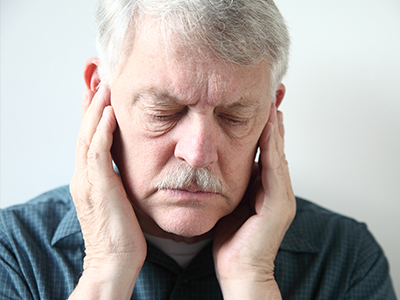
Temporomandibular disorders, commonly referred to as TMD, affect the jaw joint and the muscles responsible for jaw movement. The temporomandibular joint (TMJ) is the hinge that connects your jaw to your skull, allowing you to chew, speak, and yawn comfortably. When this joint or the surrounding muscles are stressed, misaligned, or injured, it can lead to a range of symptoms collectively known as TMD. Common signs include jaw pain or stiffness, headaches, earaches, popping or clicking sounds when opening or closing the mouth, and difficulty chewing or fully opening the jaw.
TMD can develop from a variety of factors. Many patients experience it due to jaw clenching or teeth grinding, often related to stress or anxiety. Misaligned teeth or an irregular bite can also place extra strain on the TMJ. Other contributing factors may include jaw injuries, arthritis affecting the joint, or habits such as chewing gum excessively. Understanding the root cause of your TMD is essential for developing an effective treatment plan and preventing symptoms from worsening over time.
The symptoms of TMD can range from mild discomfort to significant pain that affects daily life. Jaw soreness, tension headaches, and ear pain are common complaints. Some patients notice a clicking or popping sound when moving the jaw, while others may experience limited range of motion or locking of the jaw. Persistent discomfort should never be ignored. Seeking prompt evaluation by a dentist experienced in treating TMD can prevent further complications and help restore proper function.
Treatment for TMD is highly individualized, depending on the cause and severity of the disorder. Conservative approaches often include the use of custom night guards to reduce teeth grinding, stress management strategies, physical therapy exercises for jaw muscles, and anti-inflammatory or pain-relief medications. In some cases, dental adjustments or orthodontic treatments such as Invisalign may help correct bite issues contributing to TMD. For more advanced or persistent cases, minimally invasive procedures or TMJ therapy may be recommended. At Riverbend Family Dental, our team evaluates each patient carefully and designs a treatment plan aimed at relieving pain, restoring function, and improving quality of life.
Patients with TMD can often find relief through consistent care and lifestyle adjustments. Avoiding hard or chewy foods, practicing gentle jaw exercises, managing stress, and wearing protective dental appliances at night can significantly reduce symptoms. With proper evaluation and treatment, most patients experience meaningful improvement in jaw comfort, reduced headaches, and an overall better quality of life.
If you are experiencing jaw pain, clicking, or discomfort associated with TMD, Riverbend Family Dental can help. Our skilled team provides thorough evaluations, educates patients about the causes of their symptoms, and offers personalized treatment plans tailored to individual needs. Located at 241 Cleveland Ave S, Suite D1, St. Paul, MN 55105, we welcome patients from the surrounding communities for compassionate, expert care. Contact our office today to schedule a consultation and take the first step toward relief and improved jaw function.


Temporomandibular disorders (TMD) are conditions that affect the temporomandibular joint (TMJ) and the muscles that control jaw movement. The TMJ acts like a hinge connecting the jaw to the skull and enables chewing, speaking and yawning. When the joint or surrounding muscles are irritated, inflamed or misaligned, patients can experience pain, stiffness and trouble moving the jaw.
Effects of TMD range from intermittent discomfort to persistent functional problems such as limited mouth opening, jaw locking or changes in chewing efficiency. Many people also report headaches, ear pain or a sensation of pressure in the face that relates to jaw muscle tension. Because symptoms vary, a focused evaluation is important to identify how TMD is affecting daily function and quality of life.
TMD usually arises from a combination of factors rather than a single cause. Common contributors include teeth grinding or clenching (bruxism), an uneven bite or dental misalignment, direct jaw injury, and inflammatory conditions such as arthritis of the TMJ.
Behavioral and lifestyle elements such as chronic stress, poor posture, and repetitive jaw movements can worsen symptoms by increasing muscle strain. Identifying the mix of mechanical, biological and behavioral factors in each patient helps guide an effective, individualized care plan.
Symptoms that commonly prompt evaluation include persistent jaw pain or stiffness, frequent headaches that seem to originate from the temples, ear pain without infection, and clicking or popping sounds when you open or close your mouth. Difficulty chewing, a feeling that your bite no longer fits together comfortably, or episodes of the jaw locking open or closed are also warning signs.
You should seek prompt attention if symptoms interfere with eating, speaking or sleeping, if pain is worsening, or if locking prevents you from opening or closing your mouth. Early assessment can help prevent progression and may allow conservative treatments to be more effective.
Diagnosis begins with a detailed history and clinical examination that assesses jaw movement, muscle tenderness, joint noises and bite relationships. The clinician will palpate the muscles and joint, measure range of motion, observe chewing patterns, and document symptoms to determine likely sources of pain and dysfunction.
When needed, diagnostic imaging such as panoramic X-rays, cone beam CT or MRI can provide additional information about joint structure and soft tissues, and trial appliances or physical therapy assessments may be used to confirm the diagnosis. At Riverbend Family Dental, the team combines clinical findings and imaging when appropriate to create a targeted treatment strategy for each patient.
Most treatment begins with conservative, reversible approaches aimed at reducing muscle strain and protecting the teeth and joint. Common options include custom-fitted occlusal splints or night guards, soft-diet and activity modification, physical therapy focused on jaw exercises, and behavioral techniques to reduce clenching and stress.
Short-term use of anti-inflammatory medications or topical agents may help control pain while other therapies take effect, and targeted interventions such as manual therapy or guided exercise programs often improve mobility and reduce symptoms. These measures are typically tried before considering more invasive procedures because they are low-risk and can provide meaningful relief for many patients.
In some cases, bite-related issues contribute to jaw strain, and orthodontic treatment or carefully planned restorative work can reduce mechanical stress on the TMJ. Correcting significant misalignment or restoring worn teeth may change how forces are distributed in the mouth and help alleviate symptoms that are clearly linked to occlusion.
However, irreversible dental procedures should not be used as a routine first-line treatment for TMD because the relationship between occlusion and TMD is complex. Decisions about orthodontics or major restorative care are made after a thorough evaluation and often in collaboration with specialists to ensure the chosen approach addresses the underlying problem without creating new concerns.
Yes. Simple self-care practices can reduce pain and limit flare-ups for many people with TMD. Useful strategies include resting the jaw by eating softer foods, avoiding gum and hard or chewy items, applying warm compresses to sore muscles, and practicing gentle jaw stretching or relaxation exercises recommended by a clinician.
Stress management techniques such as mindfulness, sleep hygiene, and avoiding prolonged forward head posture can also decrease muscle tension that contributes to TMD. Keeping a symptom diary that notes activities, sleep quality and pain patterns helps your provider tailor home care and in-office treatments more effectively.
If conservative care fails to provide sufficient relief, or if imaging reveals degenerative joint disease, structural damage or persistent joint locking, more advanced options may be considered. These can include minimally invasive procedures such as joint injections, arthrocentesis to wash the joint, or targeted interventions performed by an oral and maxillofacial surgeon or a TMJ specialist.
Referral to other disciplines such as physical medicine, pain management, ENT or rheumatology may be appropriate when symptoms are severe, progressive, or part of a broader medical condition. A multidisciplinary approach ensures that complex or refractory cases receive comprehensive evaluation and coordinated care.
Response times vary based on the cause and severity of TMD as well as the chosen therapies. Many patients notice measurable improvement in pain and function within a few weeks to a few months after beginning conservative measures like splint therapy, physical therapy and behavior modification.
Chronic or complex cases may require a longer course of treatment and ongoing maintenance to manage symptoms and prevent recurrence. Regular follow-up allows the care team to adjust the plan, set realistic expectations and move to more advanced options only if conservative care does not achieve the desired results.
To arrange an evaluation, call the office at (651) 212-2071 for new patients or (651) 699-3212 for existing patients, or request an appointment through the practice's online portal. Our office is located at 241 Cleveland Ave S, Suite D1, St. Paul, MN 55105, and the team will help you select a convenient appointment time and explain what to expect at the first visit.
For your appointment bring a list of current medications, a brief history of your jaw symptoms and any recent imaging or dental records you may have. During the consultation clinicians will review your history, perform an exam, discuss likely causes and propose an individualized plan of care including immediate self-care steps and follow-up options.

Ready to transform your dental experience?
At Riverbend Family Dental, our team makes achieving optimal oral health easy and stress-free. From routine check-ups to treatments like Invisalign, we provide clear communication and patient-focused care every step of the way.
Getting started is simple—call, email, or use our online portal to schedule a visit and have your questions answered by our experts. Don’t wait—contact Riverbend Family Dental today and experience compassionate, precise care for your smile.